Read More

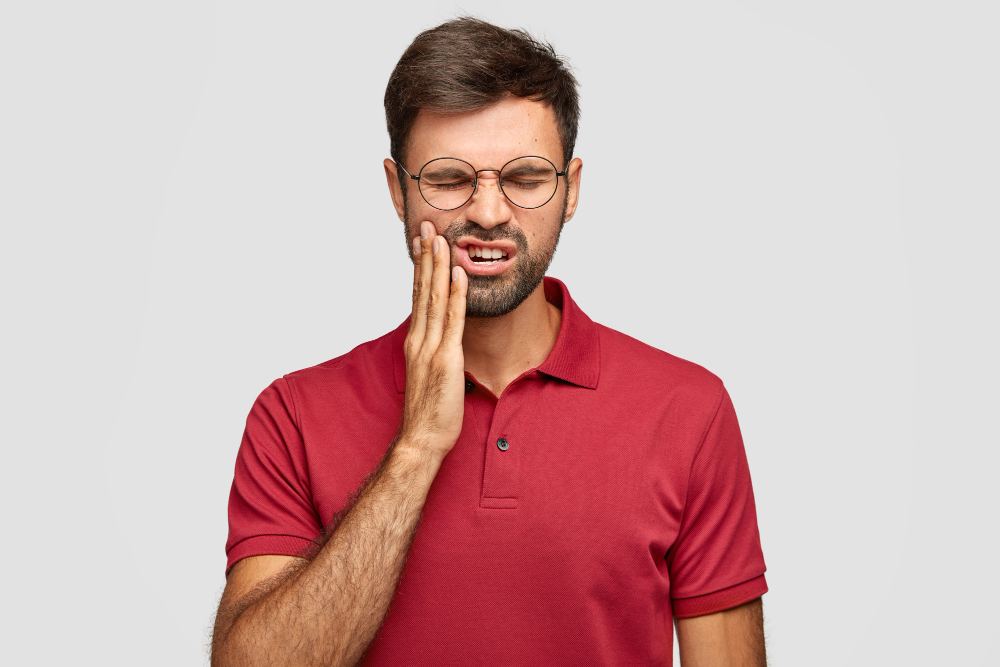
You have an earache. Your doctor looks in your ear and finds nothing wrong. There's no infection and no fluid. But the pain keeps coming back. Or your ear feels plugged. Or you hear a faint ringing that won't go away.
If that sounds familiar, the problem may not be in your ear at all. It may be in your jaw.
Can TMJ cause ear pain?
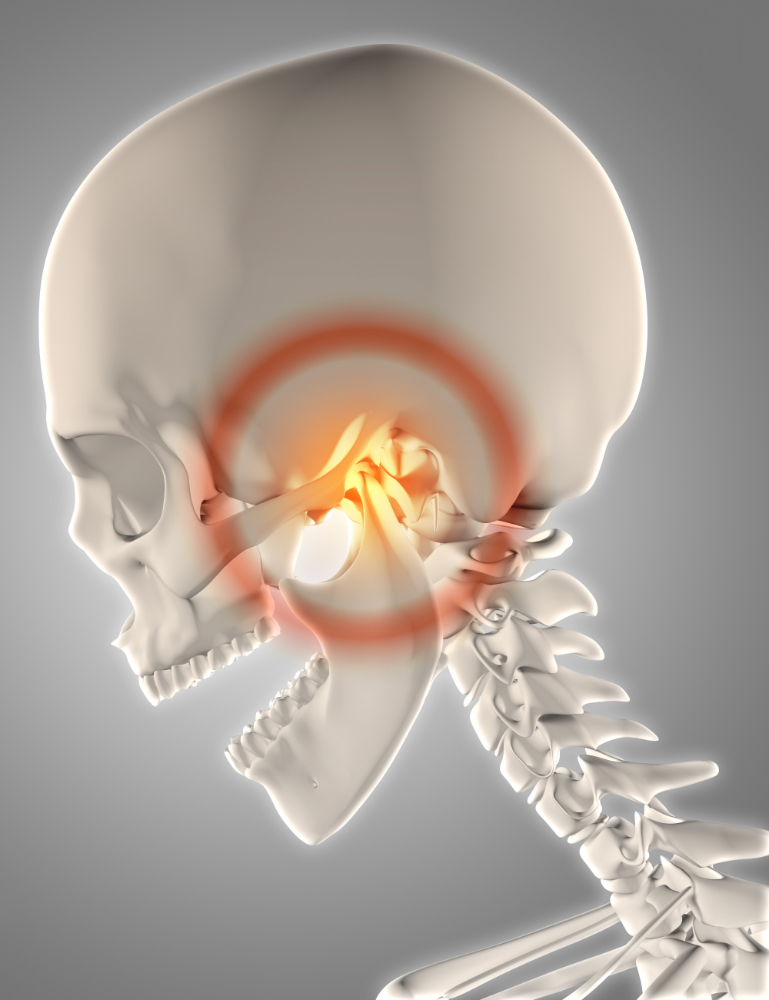
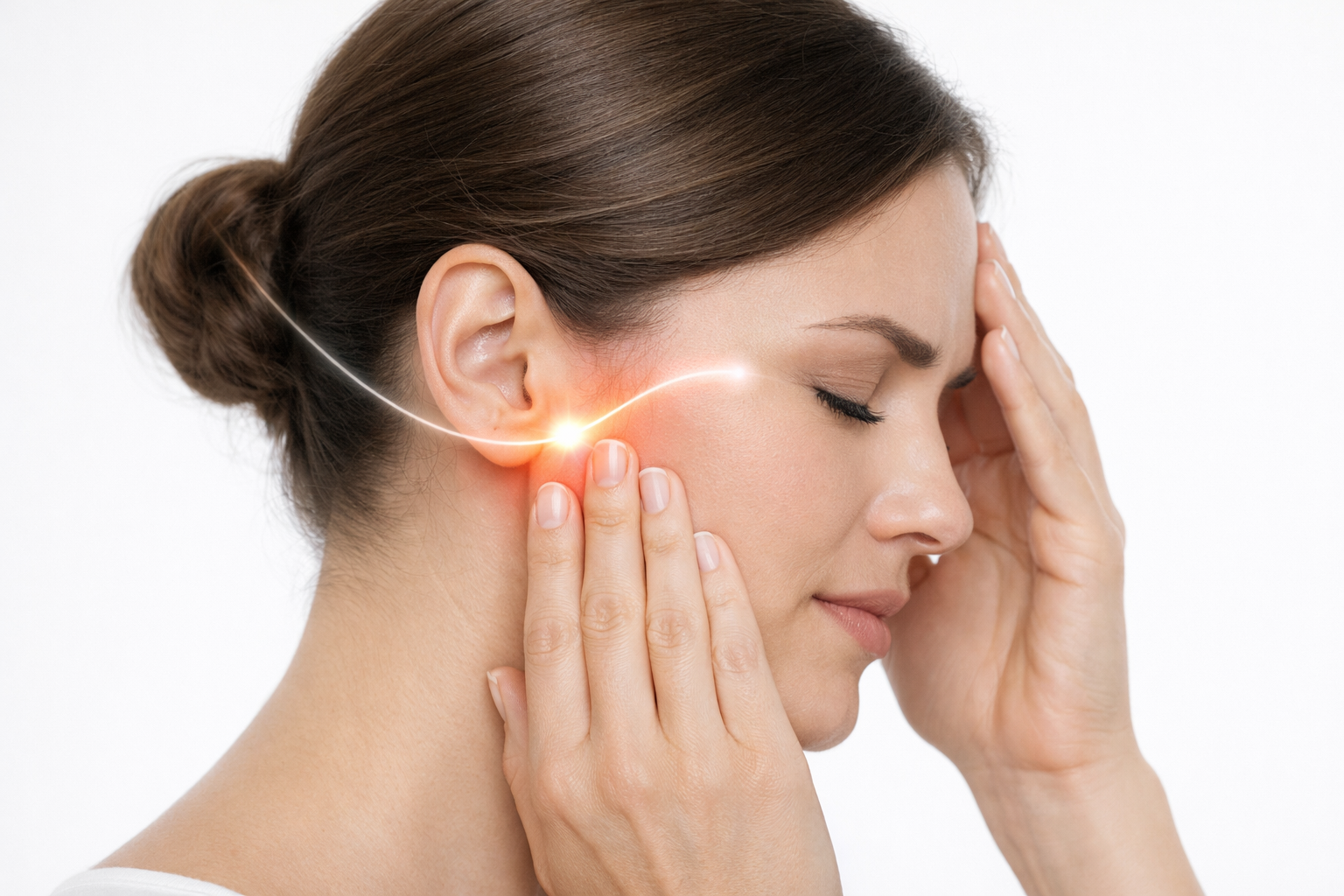
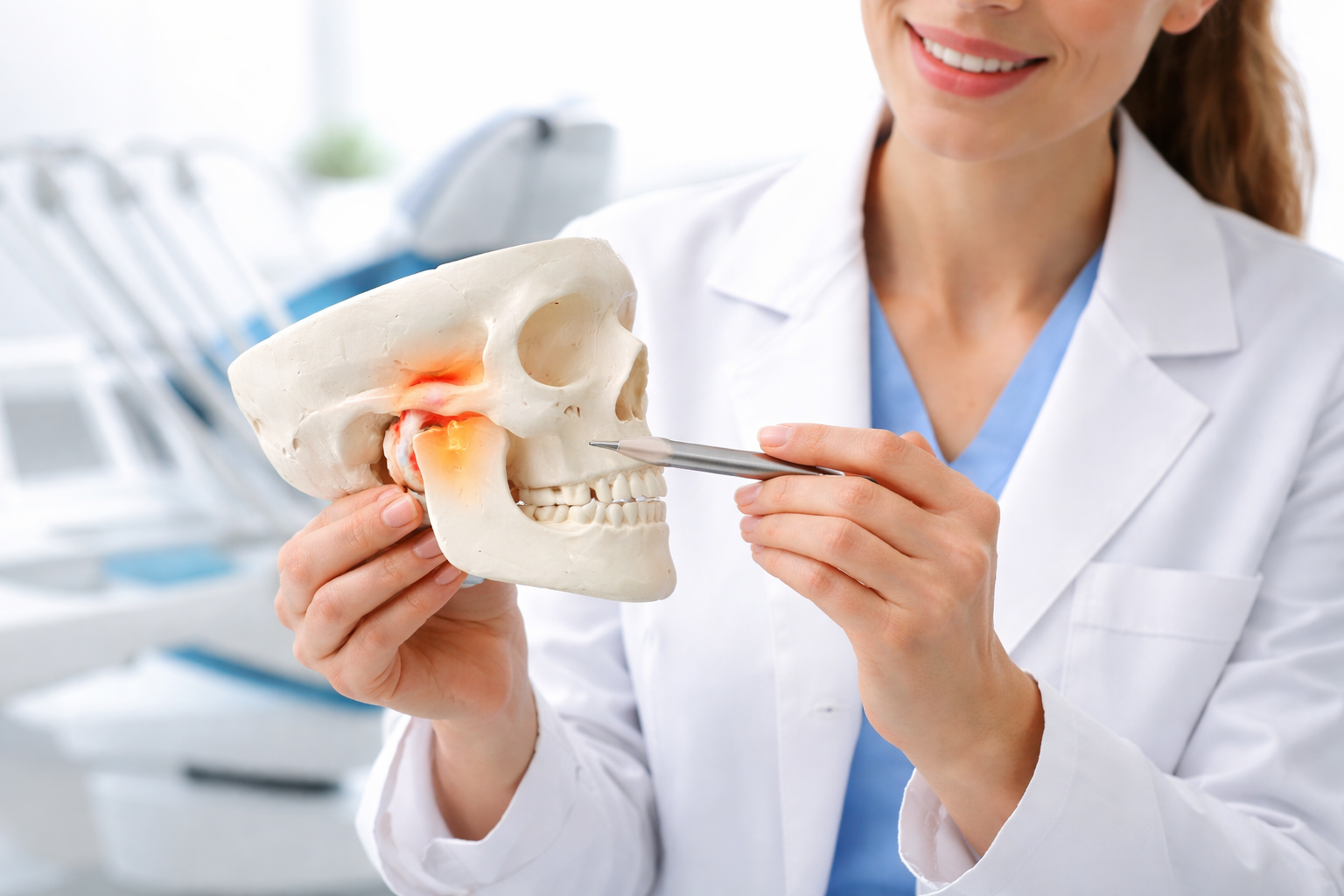
Yes. Your temporomandibular joint (TMJ) sits just in front of your ear canal. When this joint or the chewing muscles around it are strained or inflamed, you can feel pain, pressure, fullness, or ringing in your ear, even when your ear is healthy. At Pain and Sleep in Bryn Mawr, Dr. Carly Jacobs looks at the jaw as a possible source of ear symptoms that don't have another clear cause.
Put your fingertips just in front of your ears and open your mouth. The movement you feel is your jaw joint. It sits only a short distance from your ear canal, with a thin layer of bone between them.
That closeness is only part of the story. Your jaw and your ear also share nerves and muscles.
Shared nerves. The same large nerve that controls your chewing muscles also carries feeling from parts of your ear. When the jaw is sore, your brain can have trouble telling exactly where the pain is coming from. It may read jaw pain as ear pain. This is called referred pain.
Shared muscle control. Your middle ear has two tiny muscles. One helps control tension on your eardrum. The other helps open the tube that balances pressure in your ear. Both get signals from the same nerve branch that runs your chewing muscles. When your jaw muscles are tight or overworked, these small ear muscles can be affected too. That may explain the plugged or pressure-filled feeling many people with TMJ describe.
Close physical links. Some research also points to small ligaments that connect the jaw joint area to a tiny bone in the middle ear. Strain in the joint may be felt in the ear as a result.
TMJ disorder can show up in your ears in several ways:
You may have one of these or several at once. They often show up on the same side as any jaw soreness.
Ear problems have many causes, so it helps to look for patterns. Your jaw may be involved if:
If several of these fit, a TMJ evaluation is a smart next step.
Some ear symptoms need a medical exam before anything else. Please see your physician or an ear, nose, and throat (ENT) specialist right away if you have:
Once other causes are ruled out, we're glad to work alongside your doctor to look at the jaw side of the picture.
Ear symptoms from TMJ usually trace back to strain on the jaw joint or the muscles around it. Common causes include:
That last one matters. When sleep and jaw strain are connected, treating only one side may not bring full relief. That's why our practice looks at both.
Your visit starts with a conversation. Dr. Jacobs will ask when your ear symptoms started, what makes them better or worse, and how you're sleeping.
Next comes a hands-on exam. This includes checking your jaw joints and chewing muscles, how far and how smoothly your jaw opens, any joint sounds, and how your teeth come together. We also screen for signs of sleep-related breathing problems.
Then we walk you through what we found and explain your options in plain language. You'll leave knowing what's likely driving your symptoms and what we recommend. You can learn more in our complete guide to TMJ disorder.
The goal is to calm the jaw joint and muscles so your ears can settle down too. Many patients find their ear symptoms ease as the jaw improves. Your plan may include:
We'll also share simple habits you can start at home:
Can TMJ cause ringing in just one ear?
Yes. TMJ ringing often shows up on the same side as the sore or strained joint. Because new one-sided ringing can have other causes, have your doctor or an ENT check it first.
Can TMJ make my ear feel clogged?
Yes. Tight jaw muscles can affect a small muscle that helps balance pressure in your ear. This can leave your ear feeling full or plugged, a lot like being on an airplane.
How can I tell if it's an ear infection or TMJ?
An ear infection usually shows up on an ear exam and may come with fever or drainage. TMJ ear pain often happens with a normal ear exam and tends to change when you chew, yawn, or clench.
Will TMJ ear symptoms go away?
For many people, ear symptoms ease once the jaw problem behind them is treated. How quickly that happens depends on what's causing your TMJ and how long you've had it.
Who treats ear pain caused by TMJ?
A dentist with a focus on TMJ disorders, like Dr. Jacobs, can evaluate your jaw and create a noninvasive treatment plan. We can also coordinate with your physician or ENT.
If your ears hurt, ring, or feel plugged and no one has found a reason, your jaw deserves a closer look. Dr. Jacobs and our team at Pain and Sleep take the time to find the cause and build a plan that fits you.
Book your consultation or call us at (610) 973-6595.