Read More


You've tried the ibuprofen. You've tried the triptans. You've kept a headache diary, cut out red wine, blacked out your bedroom, and you're still waking up most days with pain that won't quit. If standard headache treatments haven't worked for you, the problem might not be your head at all. It might be your jaw.
At Pain and Sleep in Bryn Mawr, Dr. Carly Jacobs, DMD, sees patients every week who've spent years bouncing between primary care doctors, neurologists, and chiropractors before anyone thinks to look at the temporomandibular joint. TMJ headaches mimic migraines and tension headaches closely enough that they're frequently misdiagnosed. This post walks through how to tell the three apart, what makes TMJ headaches different from the headaches a neurologist treats, and what your next step should be if pain medication has stopped working.
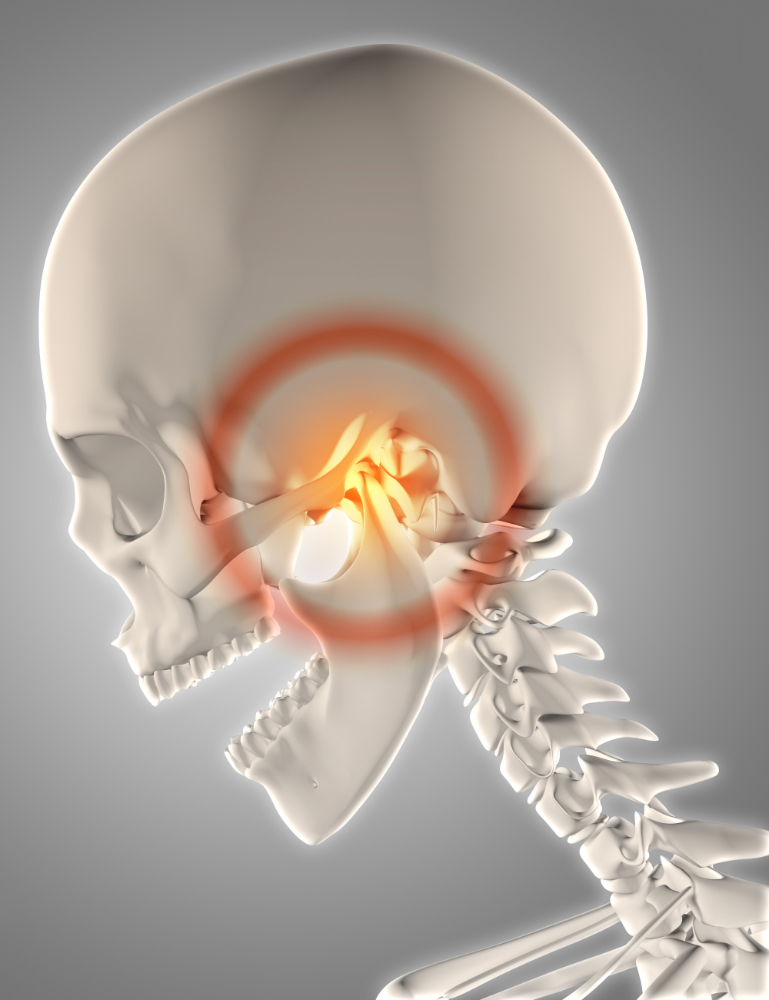
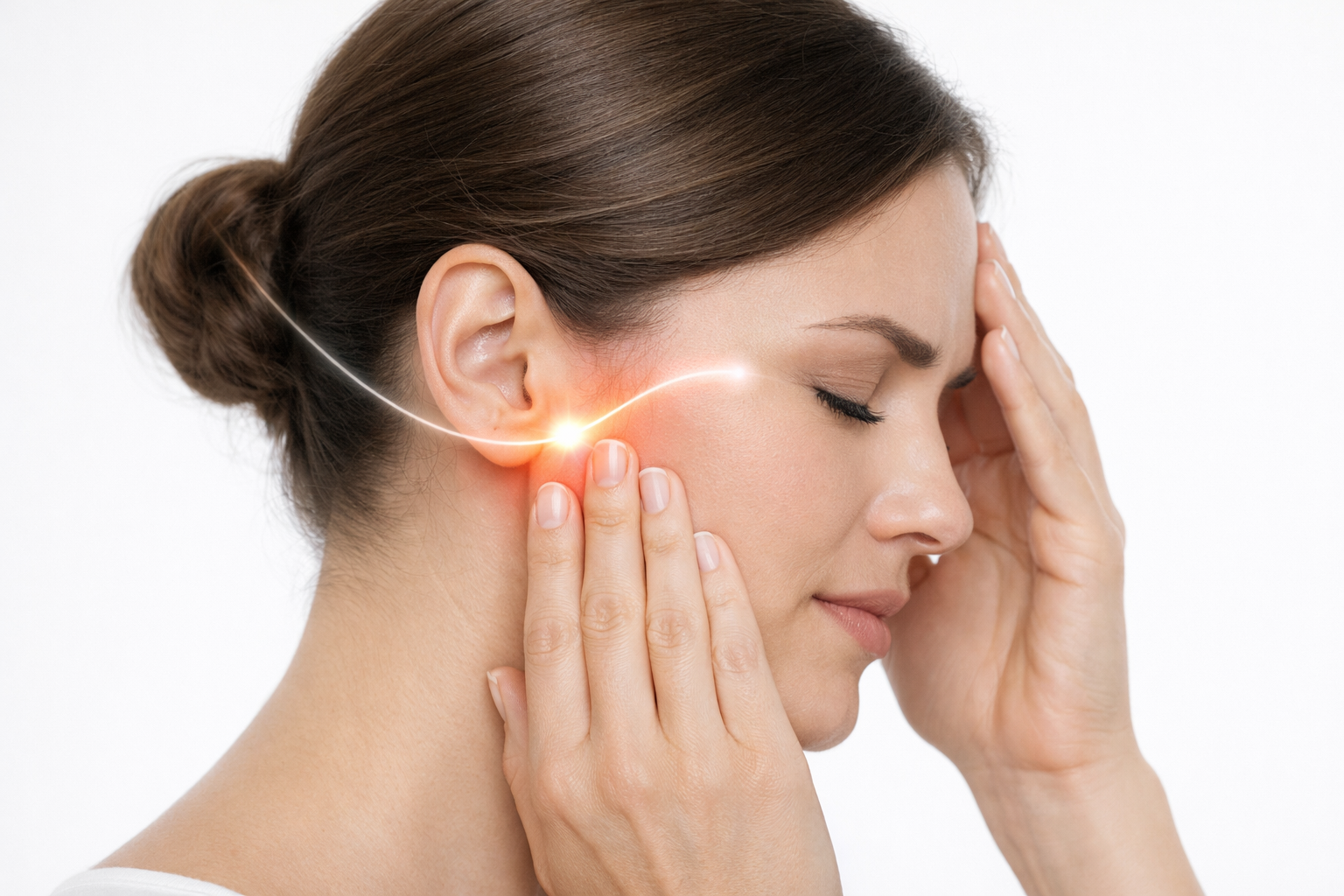
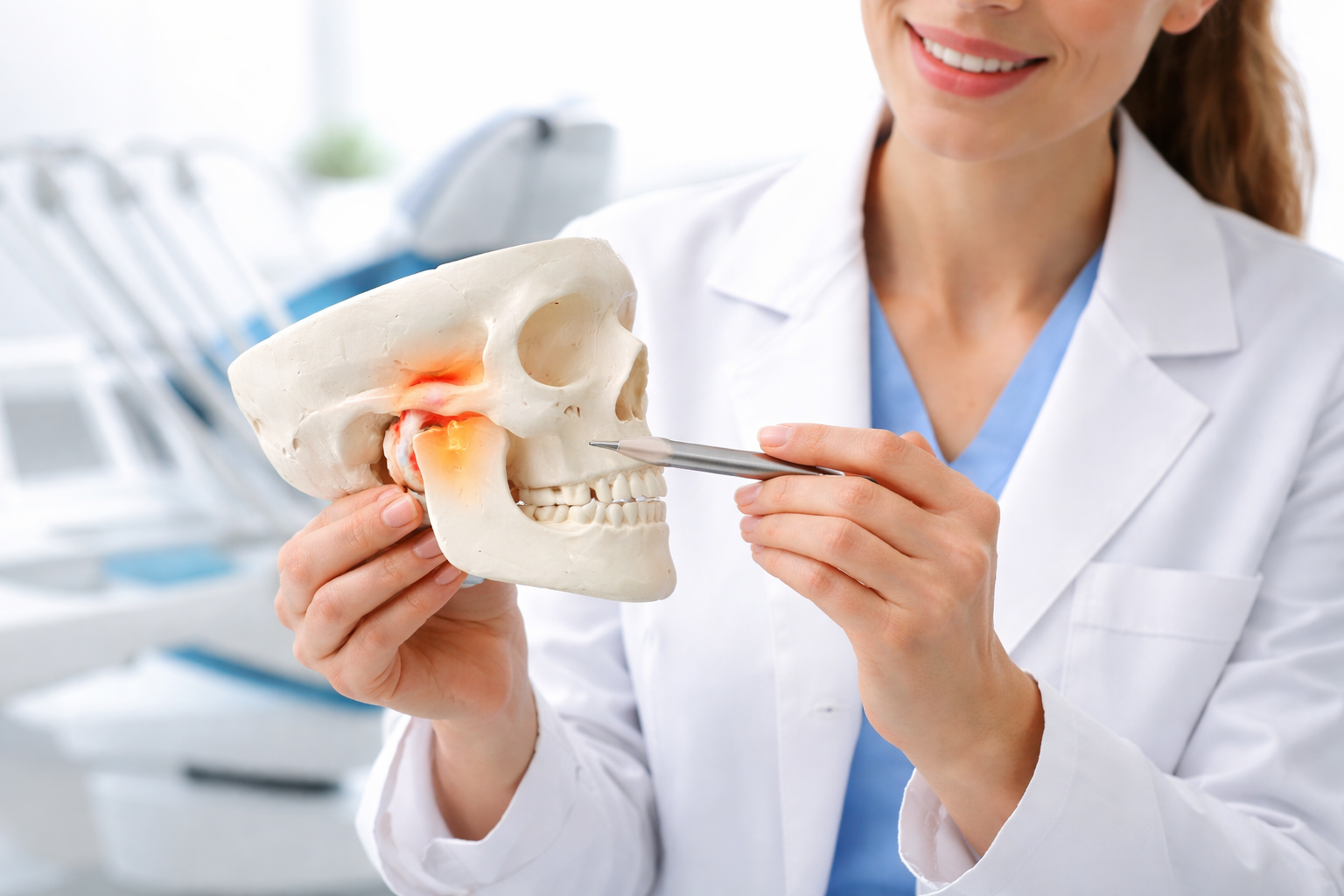
A TMJ headache is head pain caused by dysfunction in the temporomandibular joint or the muscles that move your jaw. Unlike migraines or pure tension headaches, TMJ headaches almost always come with at least one jaw-related symptom.
The most common patterns:
According to the International Classification of Headache Disorders, headache attributed to TMD worsens in parallel with TMJ symptoms and improves when the underlying jaw problem is treated. That's the diagnostic key: if your headaches change when your jaw changes, your jaw is involved.
The fastest way to sort it out is to look at three things: where the pain is, what comes with it, and what makes it worse.
Migraine. Usually one-sided throbbing pain. Often comes with nausea, sensitivity to light and sound, and sometimes visual aura (flashing lights, blurred vision). Worsens with physical activity like bending over. Lasts 4 to 72 hours. Responds, at least somewhat, to triptan medications.
Tension headache. Pressure on both sides of the head, often described as a tight band around the forehead. Dull and steady rather than throbbing. No nausea, no aura, no severe light or sound sensitivity. Usually responds to ibuprofen, rest, and stress reduction.
TMJ headache. Steady pressure pain in the temples, behind the eyes, or in front of the ears. Often paired with jaw clicking, jaw soreness, ear fullness, or teeth that feel sore in the morning. Worsens with chewing, talking, or yawning. Frequently does not respond to standard headache medications. May be one-sided if your TMJ problem is one-sided.
Patients at Pain and Sleep in Bryn Mawr often describe TMJ headaches as feeling "like a tension headache that won't go away" or "like a migraine without the nausea." If that sounds familiar, you can book an evaluation with Dr. Jacobs to find out whether your jaw is driving the pain.
Yes, and this is one of the biggest reasons patients stay undiagnosed. Many people have both migraines and TMJ-related headaches running at the same time, with each one triggering the other. Clenching during a stressful week tightens the jaw muscles, which triggers a TMJ headache, which raises overall stress, which lowers the migraine threshold. The cycle feeds itself.
If you've been diagnosed with chronic migraines but a portion of your headaches feel structurally different from the rest, that's worth investigating. Treating the TMJ component can reduce overall headache frequency even if your underlying migraine condition stays the same.
If you've been on triptans, beta blockers, or other migraine medications and they haven't moved the needle, there are three common explanations:
A specialist evaluation can sort this out. Dr. Carly Jacobs, DMD, dual board-certified in dental sleep medicine and craniofacial dental sleep medicine, evaluates whether your TMJ, your muscles of mastication, or your bite is contributing to head pain that hasn't responded to traditional treatment.
Most TMJ headaches trace back to one of four sources:
Pain and Sleep specializes in identifying which of these is driving your specific case, rather than reaching for the same appliance for every patient. Treatment is built around the cause, not the symptom.
Pain and Sleep offers a layered treatment approach at our Bryn Mawr office, because TMJ headaches rarely respond to a single intervention. The most effective options:
For patients whose headaches are driven by overactive jaw and temple muscles, Botox and trigger point therapy for TMD calms the muscles at the source. Botox temporarily reduces excessive muscle contraction in the masseter and temporalis. Trigger point injections release tight, painful knots that radiate pain into the jaw, temples, and neck. Trigger point relief can begin within days. Botox results typically develop over one to two weeks and last around three months.
If you grind or clench overnight, a custom nighttime orthotic protects your teeth and unloads your jaw muscles while you sleep. This is fundamentally different from a drugstore mouthguard. The appliance is designed around your specific bite and joint position.
For patients who clench during the day (especially during work or while concentrating), a daytime orthotic provides muscle and joint support without interfering with speech.
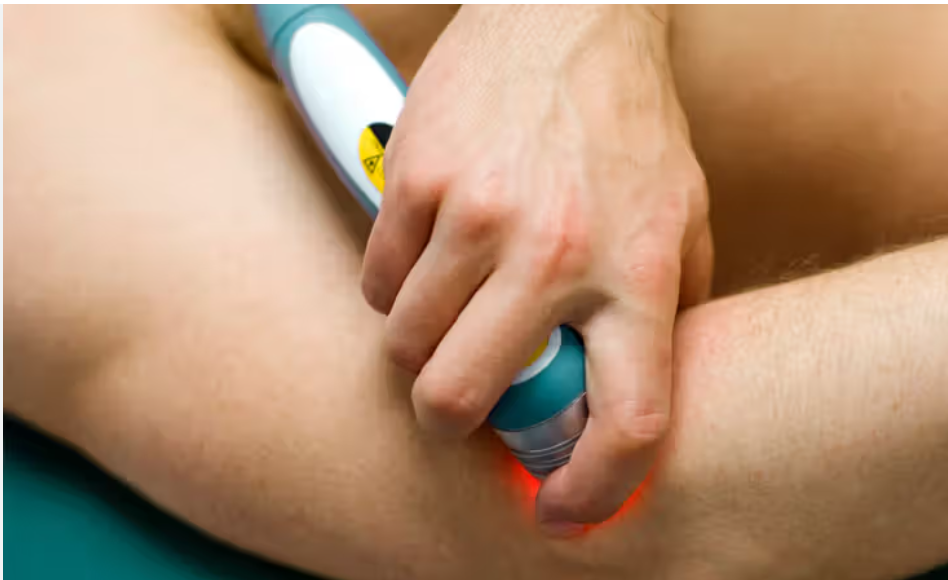
Cold laser therapy uses targeted light energy to reduce inflammation and accelerate healing in the muscles and tissues around the TMJ. It's drug-free and non-invasive.
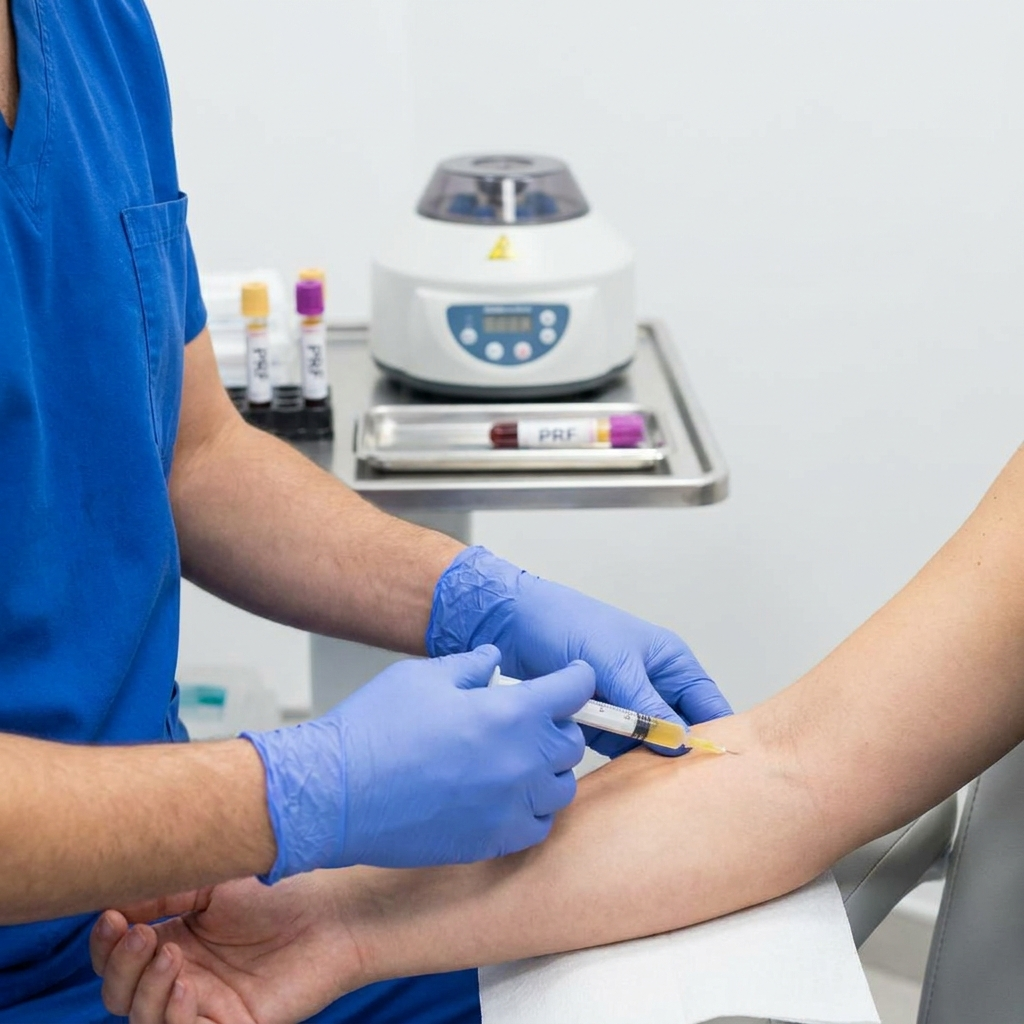
For more advanced joint involvement, PRF (platelet-rich fibrin) injections use your body's own growth factors to support tissue healing inside the joint itself.
Most patients at Pain and Sleep receive a combination of two or three of these therapies, sequenced based on what your evaluation reveals.
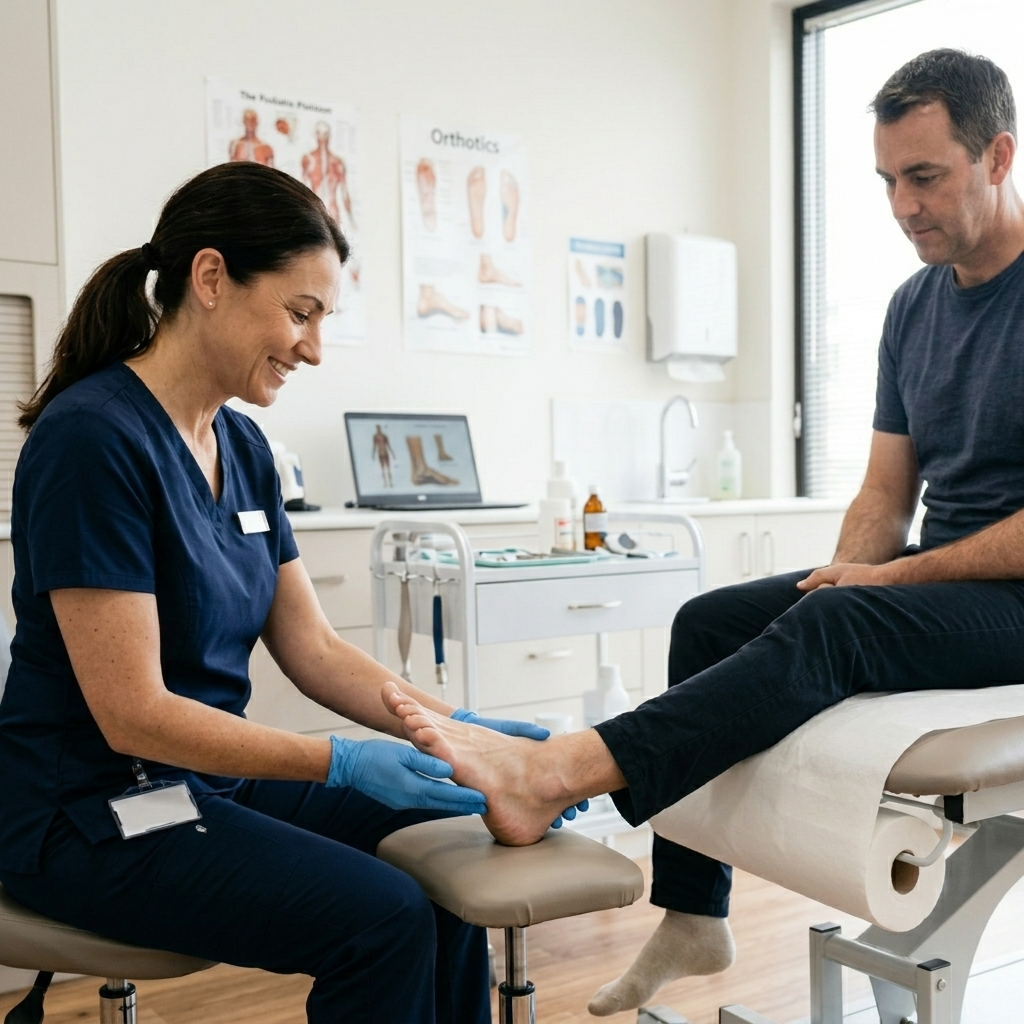
Here's how a first visit at our Bryn Mawr office works:
Pain and Sleep accepts most major insurance plans, and our team verifies your specific benefits before treatment begins. You can check your insurance or review financing options before your visit.
If you've been chasing headache relief through medications and lifestyle changes without lasting success, a TMJ evaluation is worth your time. Pain and Sleep provides specialized TMJ headache evaluation and treatment in Bryn Mawr, PA, serving patients across the Philadelphia Main Line including Ardmore, Wayne, Villanova, Haverford, and Rosemont.
Dr. Carly Jacobs, DMD will tell you honestly whether your jaw is involved, and if it is, exactly what treatment plan fits your case. Call (610) 973-6595 or book your evaluation online to get started.