Read More

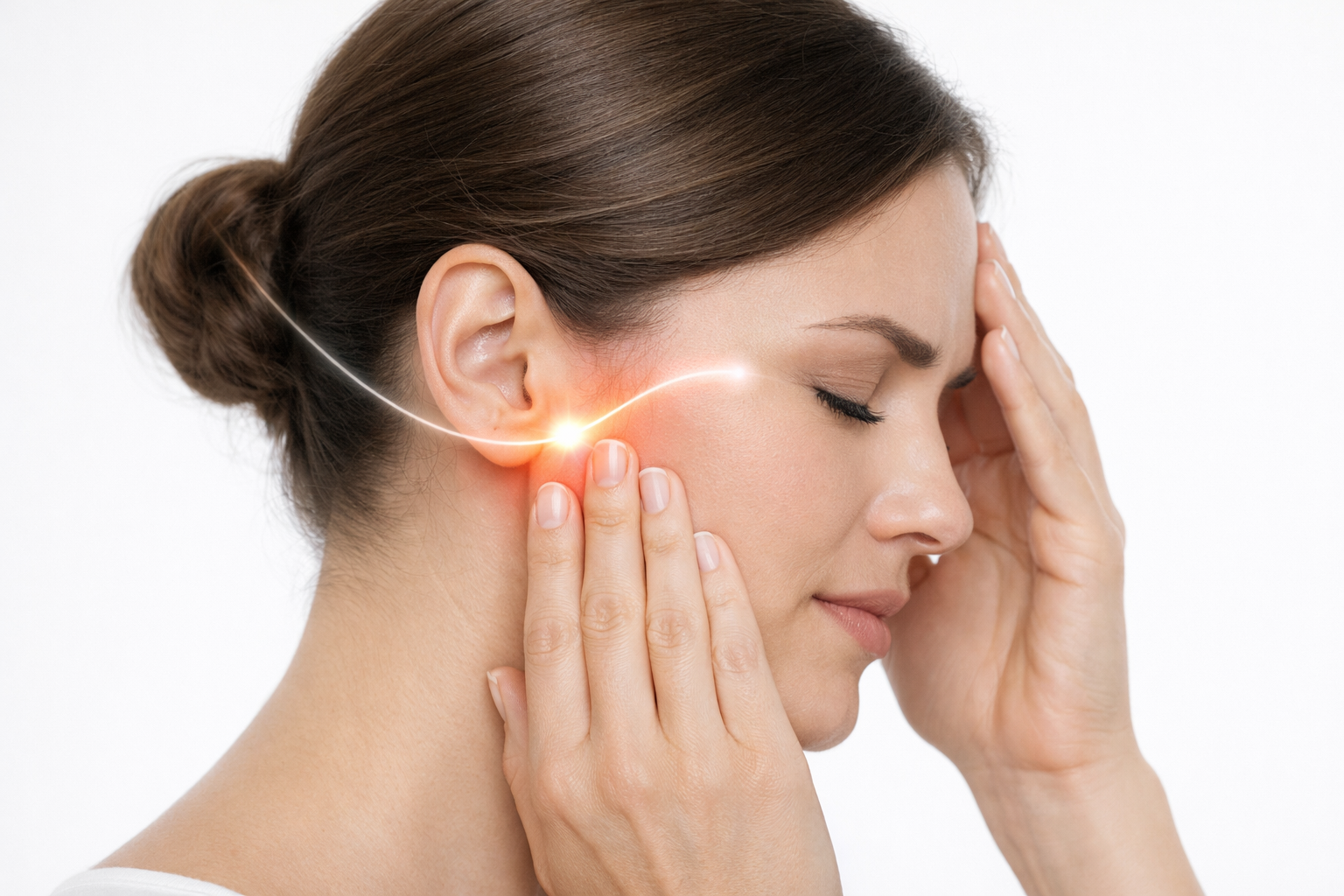
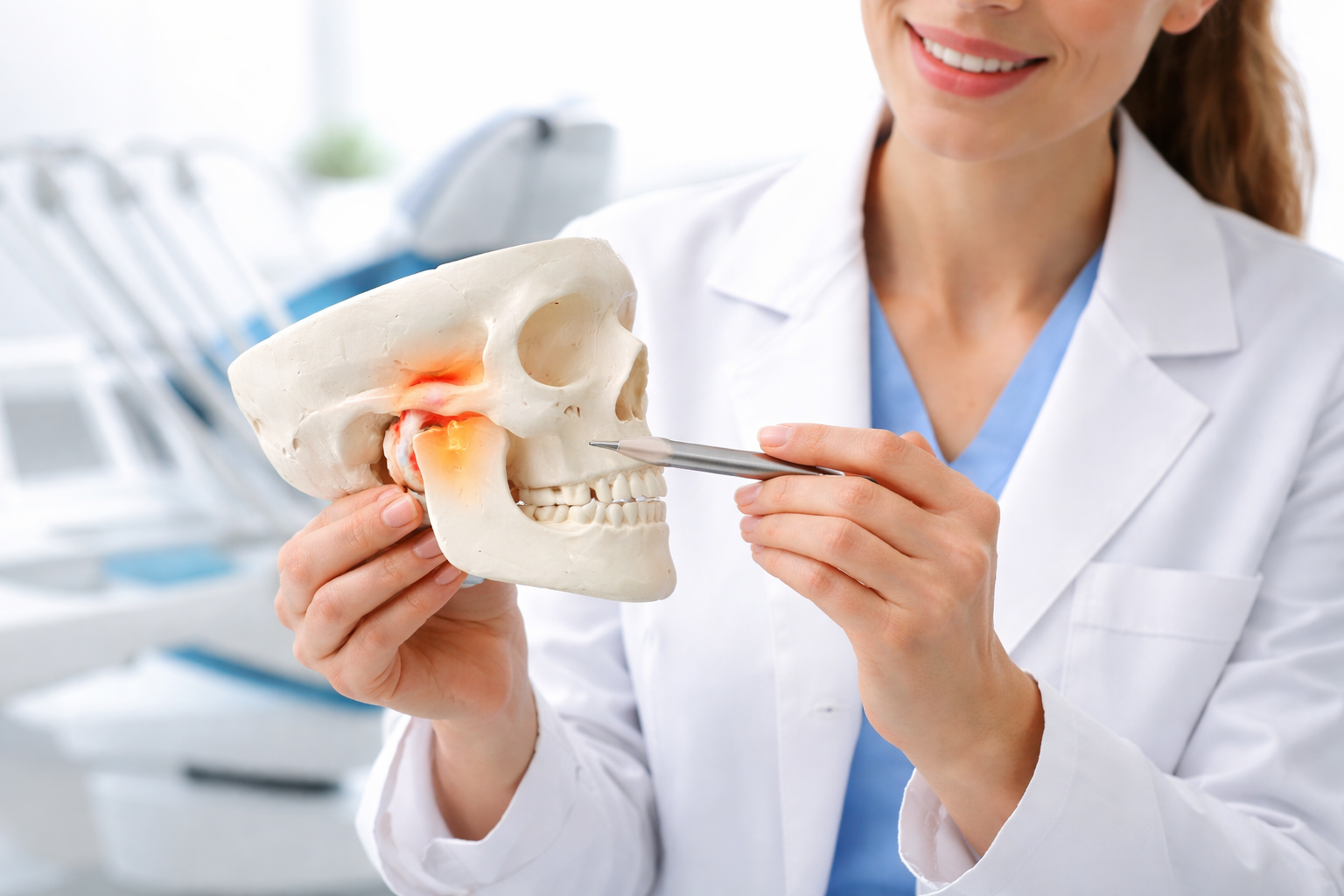
You have worn the orthotic. You have done the laser sessions. The muscles along your cheeks and temples have finally started to let go. And yet there is still a deep, specific ache right in front of your ear, one you can point to with a fingertip, that feels nothing like ordinary muscle soreness. If that describes you, the muscles may no longer be the problem. The joint itself may be.
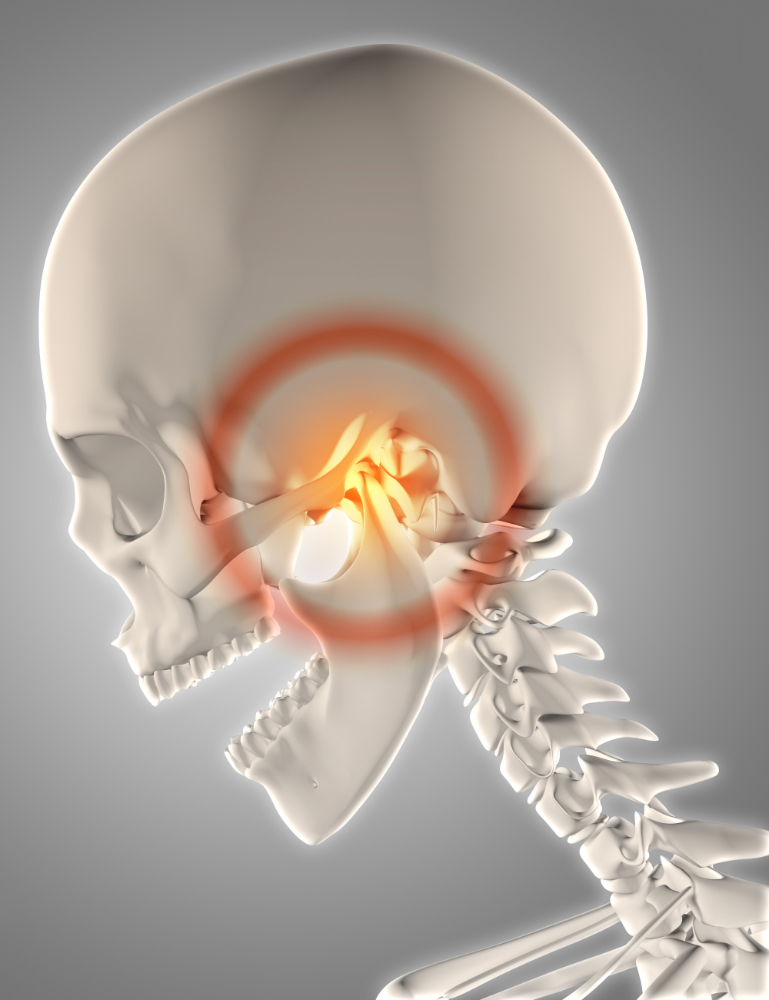
The temporomandibular joint is a small, hardworking structure made of cartilage, a cushioning disc, ligaments, and a modest blood supply. When it has been inflamed or overloaded for years, it can struggle to repair itself the way a knee or shoulder would. PRF injections take a fundamentally different approach from anything else in TMJ care. Rather than blocking pain signals or relaxing overactive muscles, they deliver your body's own healing components directly to the tissue that needs them. At the Pain and Sleep Therapy Center in Bryn Mawr, Dr. Carly M. Jacobs offers PRF as a regenerative option for Main Line patients whose joint pain has not fully resolved with conservative care.
Most TMJ disorder involves both muscle and joint components, and distinguishing between them matters, because the two respond to very different treatments.
When joint pain and inflammation persist after the muscles have genuinely calmed down, treating the muscles harder is not the answer. The joint needs support to heal.
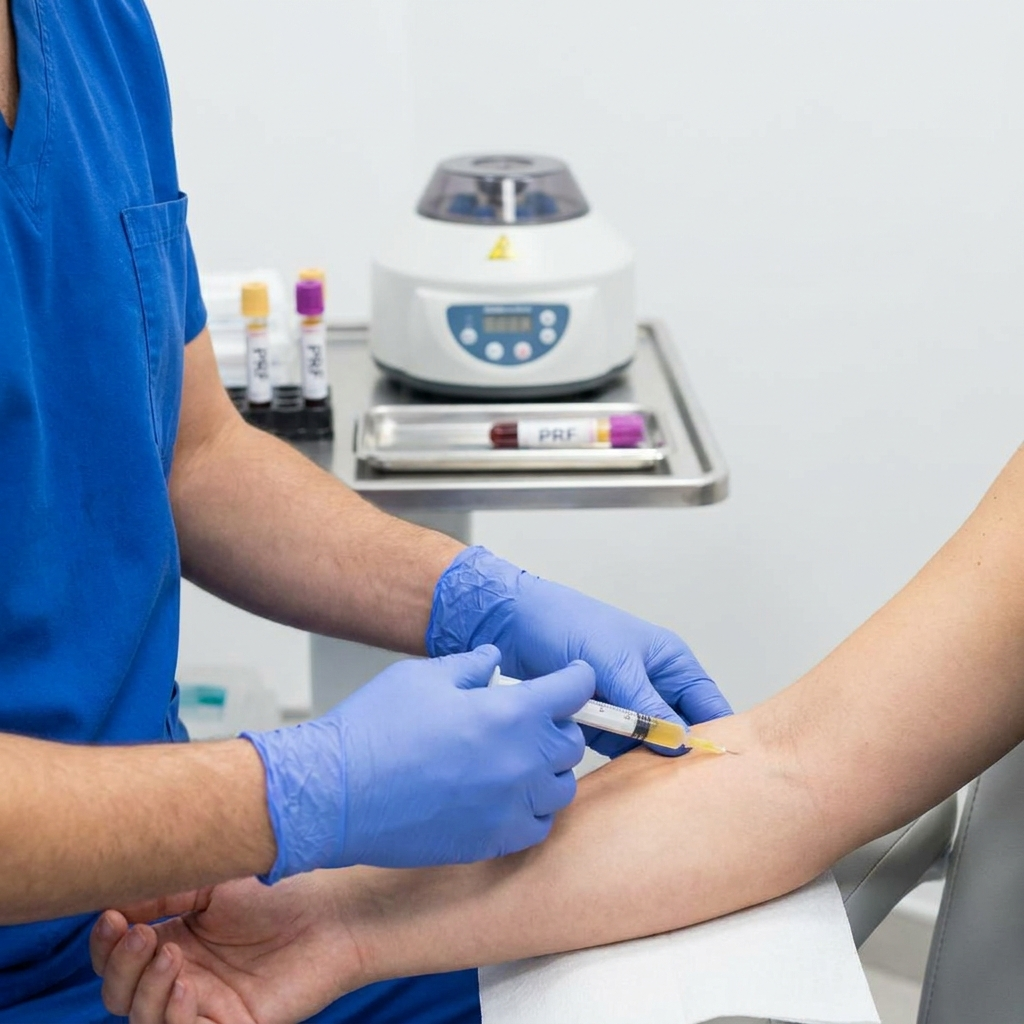
PRF stands for platelet-rich fibrin. It is made from a small sample of your own blood, drawn in our office much the way it would be for routine lab work. That sample is spun in a centrifuge, which separates it into layers and concentrates the platelets, white blood cells, and fibrin into a gel-like matrix rich in the growth factors your body already uses to repair injured tissue.
Because PRF is autologous, meaning it comes entirely from you, there is no donor material, no synthetic drug, and no risk of an allergic reaction to a medication. The fibrin component is what sets PRF apart from older platelet preparations. Fibrin is the natural scaffold your body builds at any healing site, and here it acts as a slow-release matrix that holds the concentrated growth factors in place, releasing them gradually over days rather than dispersing within hours.
Once placed into or around the joint, PRF is designed to work in three overlapping ways.
The change patients describe is usually not the immediate quiet of a numbing injection. It is gradual and cumulative: a joint that aches less by the end of the day, opens a little further each week, and stops announcing itself every time they eat something firm.
PRF tends to be a good fit for Main Line patients who recognize themselves in descriptions like these.
PRF is not right for everyone. Some medical conditions, blood disorders, and medications affect candidacy, which is why a thorough health history and clinical evaluation always come first.
PRF is never a stand-alone shot offered on request. It follows the same evaluation-first approach we bring to every treatment plan.
Our team will review insurance and payment options with you before treatment begins, and flexible financing is available, so the cost of a full series is clear from the start.
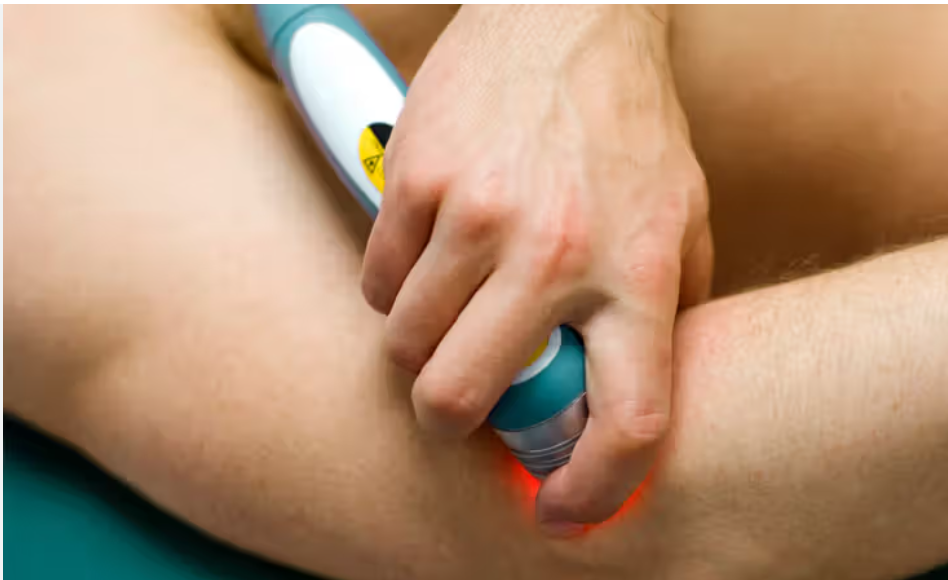
PRF rarely works alone, and it is not meant to. If clenching and grinding are still loading the joint every night, a healing joint gets re-injured. That is why PRF is typically paired with a nighttime orthotic or daytime orthotic to reduce the forces reaching the joint, and often with cold laser therapy to calm inflammation between visits or injection therapy when overactive muscles are part of the picture. Regeneration works best when the joint is also protected.
Pain that has lasted years rarely resolves by guessing at it. It resolves when someone takes the time to identify what is actually generating it and treats that structure directly. For some patients that means calming a muscle. For others it means giving a worn, inflamed joint the biological help it needs to repair.
If deep jaw pain, joint noise, or limited opening has not improved with everything else you have tried, start with a conversation. Call (610) 973-6595 or book online, and ask about our free 30-minute virtual consultation. Your jaw has been waiting for the right answer, not just another one.
They are related but not identical. Both concentrate platelets from your own blood. PRP is processed with an anticoagulant and stays liquid, while PRF is prepared without additives at a gentler spin, producing a fibrin matrix that holds the growth factors and releases them gradually over several days.
Most patients describe the blood draw as routine and the injection itself as brief pressure or a pinch. Mild soreness in the joint area for a day or two afterward is common and typically settles on its own.
PRF works gradually rather than immediately. Many patients notice change building over the weeks between treatments, with the fullest picture emerging after the third visit. It is a healing timeline, not an anesthetic one.
Because PRF is made entirely from your own blood with nothing added, there is no risk of allergic reaction to a medication or rejection of donor material. As with any injection, there is a small risk of bruising or temporary soreness, and certain health conditions may make you a poor candidate, which is why a full medical history is reviewed first.