Read More


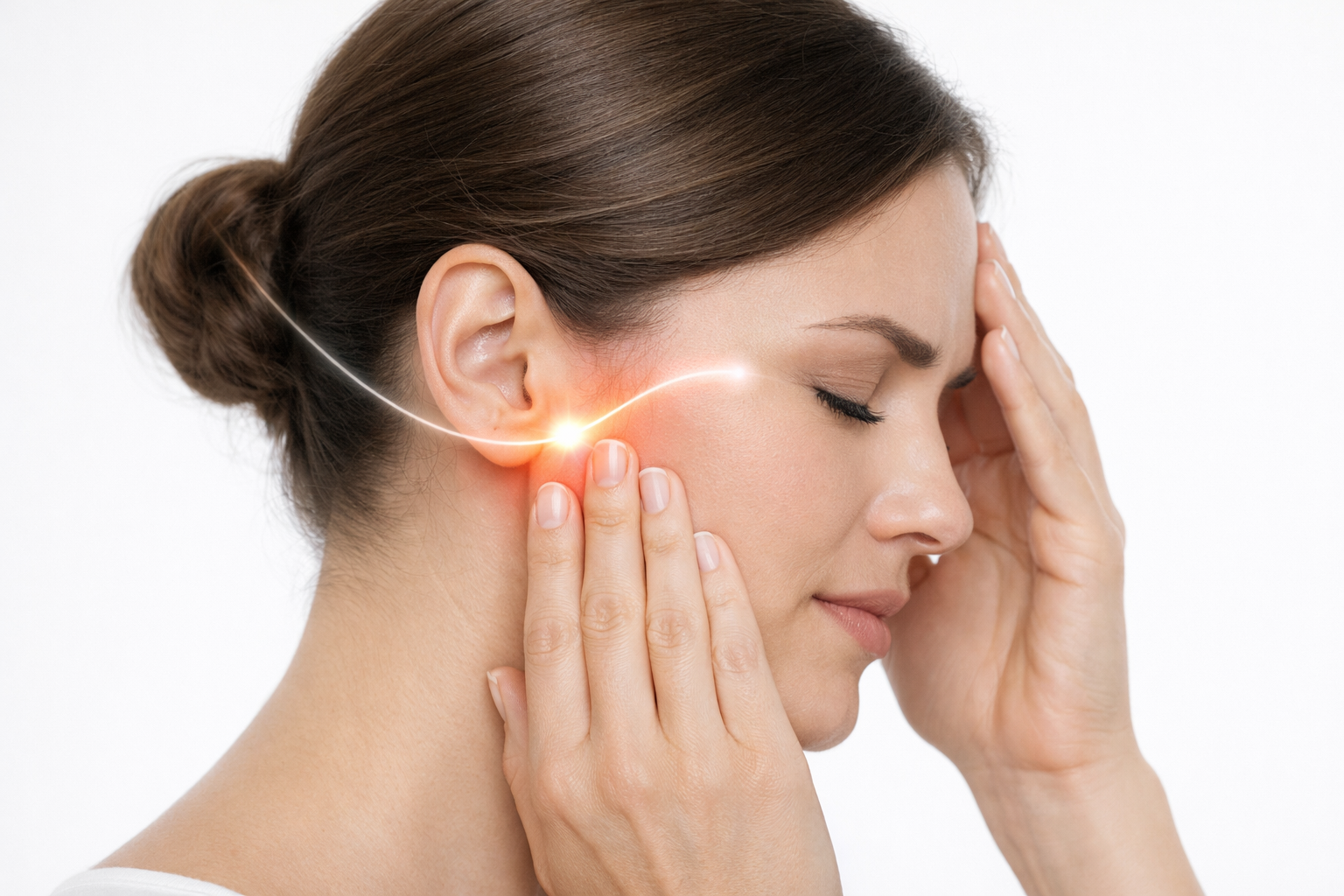
If your mornings start with a dull, throbbing headache and a jaw that feels stiff or tender before you have even gotten out of bed, you are not imagining it. This exact pattern — jaw pain and headaches together upon waking — is one of the most common complaints Dr. Carly Jacobs, DMD, hears from new patients at Pain and Sleep in Bryn Mawr, PA. It is also one of the most misunderstood. Many patients across the Main Line have spent months treating these headaches with over-the-counter pain relievers, or cycling through neurologists and ENTs, only to discover that the source of their pain starts at the jaw.
This post explains exactly why that morning symptom pattern happens, how a specialist evaluates it, and what care at Pain and Sleep looks like when the cause is traced to your bite, your jaw muscles, or how your teeth move while you sleep.
The most common cause of morning jaw pain and headaches occurring together is nocturnal bruxism — the involuntary clenching or grinding of teeth during sleep. Because it happens while you are unconscious, most people have no idea they are doing it. The first signal is the way you feel when you wake up.
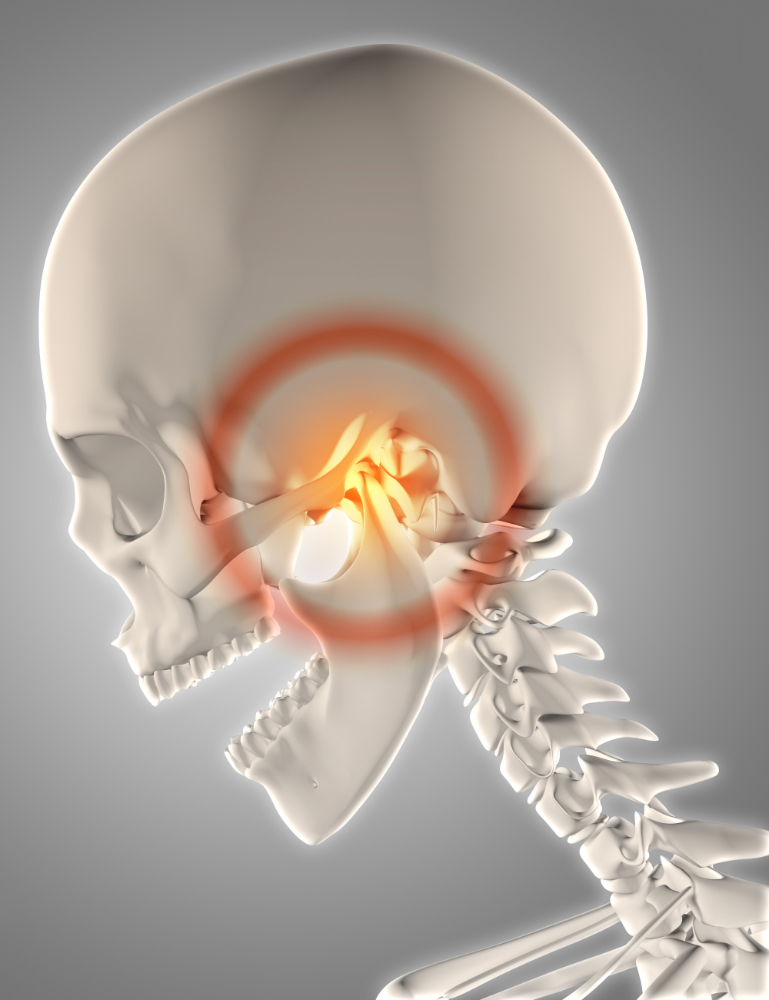
During sleep, the jaw muscles can contract with significant force, far more than during normal daytime chewing. When this happens repeatedly throughout the night, those muscles become fatigued and inflamed. Those same muscles connect directly to the temples, the sides of the skull, and the base of the neck. Tension in the jaw does not stay contained to the jaw. It travels upward along muscular and nerve pathways, producing the classic morning headache that tends to ease as the day goes on — one of the clearest signs that the jaw, not a primary neurological issue, is driving the pain.
According to the National Institutes of Health, frequent and severe clenching and grinding can lead to chronic jaw pain, headaches, and disrupted sleep, and dentists are specifically trained to identify signs that other providers routinely miss.
Pain and Sleep in Bryn Mawr, PA provides specialized evaluation and treatment for patients experiencing jaw pain and headaches, with a focus on identifying the root cause before recommending any treatment.
Yes. Nighttime clenching is one of the most direct and underdiagnosed causes of recurring morning headaches. When the jaw is locked in a clenching position for hours during sleep, the temporalis muscles — the broad, flat muscles running along both sides of the skull above the ears — stay contracted throughout the night. Upon waking, those muscles are already exhausted and inflamed, producing a tension-type headache that feels like a band of pressure across the forehead or temples.
What makes this pattern so easy to miss is that it mimics other conditions almost perfectly. The headaches feel like tension headaches, migraines, or sinus pressure. Without an evaluation focused specifically on the jaw, bite, and muscles, the cause goes undetected. Dr. Jacobs, who holds dual board certifications in dental sleep medicine and craniofacial dental sleep medicine, evaluates this entire system and connects symptoms that other providers have treated in isolation.
The morning headache and jaw pain pattern is a strong indicator on its own, but several additional signs point specifically toward a jaw-driven cause. Consider how many of the following apply to you:
Headaches that peak in the morning and improve by midday. If your headaches are worst when you wake up and gradually ease over the first few hours of the day, the jaw muscles are the likely source — not a migraine trigger.
Jaw stiffness or soreness when you first open your mouth. The joint and surrounding muscles have been under strain all night. Morning stiffness that loosens with movement is a classic finding in TMJ disorder and bruxism.
Clicking, popping, or a catching sensation in the jaw. These sounds and sensations indicate that the joint disc may be displaced or that the joint is not tracking properly through its range of motion.
Teeth that appear worn, flat, or shorter than they used to. Years of grinding erode enamel in ways that are clearly visible during a clinical exam, even when the patient has never been told they grind their teeth.
Ear fullness or earache with no infection. The temporomandibular joint sits directly in front of the ear canal. When inflamed, it produces ear pain that is frequently mistaken for an inner ear problem.
Neck and shoulder tension that seems to originate at the jaw. Muscle overactivity in the jaw often cascades downward into the neck and upper shoulders, especially after a night of grinding or clenching.
This is one of the most important questions Dr. Jacobs addresses with new patients at Pain and Sleep, because the distinction matters clinically and directly affects outcomes.
A standard night guard is designed to protect teeth from grinding forces. It creates a physical barrier between the upper and lower teeth so that enamel erosion is reduced. This is useful for preserving tooth structure, but it does not address the jaw alignment issue that is driving the clenching in the first place.
A nighttime orthotic works differently. It is a custom-fabricated dental appliance made from precise digital impressions of your teeth that positions the jaw in a more balanced, neuromuscularly stable position during sleep. Rather than simply absorbing grinding forces, the orthotic reduces the intensity of muscle contractions by optimizing how the joints and muscles load while you rest. The result is less inflammation, less overnight tension, and noticeably less pain upon waking — not because the appliance blocked damage, but because it improved the underlying mechanics.
At Pain and Sleep, the nighttime orthotic process begins with a comprehensive evaluation and digital impressions. Patients return for a fitting and receive guidance on use and care. Follow-up is individualized and ongoing, typically extending over several months depending on how the jaw responds to treatment.
Many patients who had been wearing generic or pharmacy-purchased night guards for years without meaningful relief report significant improvement once they are fitted with a properly calibrated orthotic at Pain and Sleep.
If you come to Pain and Sleep in Bryn Mawr reporting morning jaw pain and headaches, here is what a typical evaluation involves:
A detailed intake and history review. Dr. Jacobs takes time to understand your full symptom picture — not just the jaw, but sleep quality, stress levels, neck tension, ear symptoms, and how your headaches behave throughout the day. Patients consistently note in reviews that this level of listening is what distinguishes Pain and Sleep from other practices they had visited.
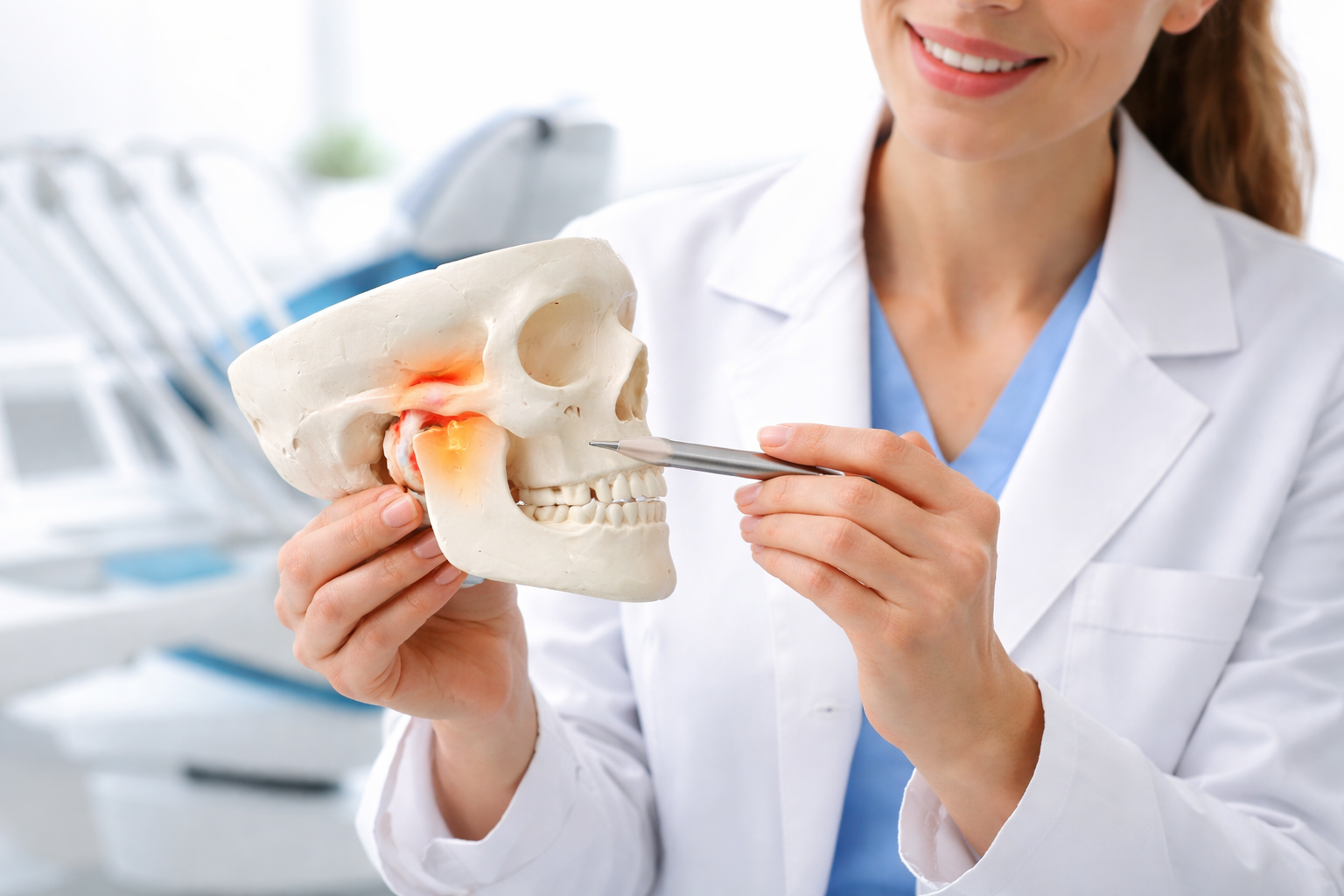
A clinical jaw and muscle examination. Dr. Jacobs evaluates the range of motion in your jaw, listens and feels for joint sounds, and palpates the key muscles of mastication and the temples to identify where tenderness and inflammation are concentrated.
A bite and occlusion assessment. The way your teeth come together when you close your mouth has a direct influence on how your jaw muscles and joints are loaded. Imbalances in bite contact are significant contributors to overnight clenching and morning pain.
Discussion of imaging if indicated. For patients with more complex presentations, advanced imaging may be recommended to assess joint structure in detail.
A clear, individualized treatment plan. Dr. Jacobs explains exactly what she found, what she believes is driving your symptoms, and what the treatment path looks like — including realistic timelines and what to expect at each stage.
Nighttime orthotics are the foundation for many patients, but Dr. Jacobs draws from a broader treatment toolkit depending on what the evaluation reveals.
Daytime orthotics address the component of clenching and jaw tension that occurs while you are awake — during periods of focus, stress, or fatigue. If you find yourself clenching at your desk or during your commute across the Main Line, a daytime orthotic may be part of your plan alongside a nighttime appliance. The daytime orthotic fits on the lower teeth and is designed for comfortable all-day wear without interfering with speaking or swallowing.
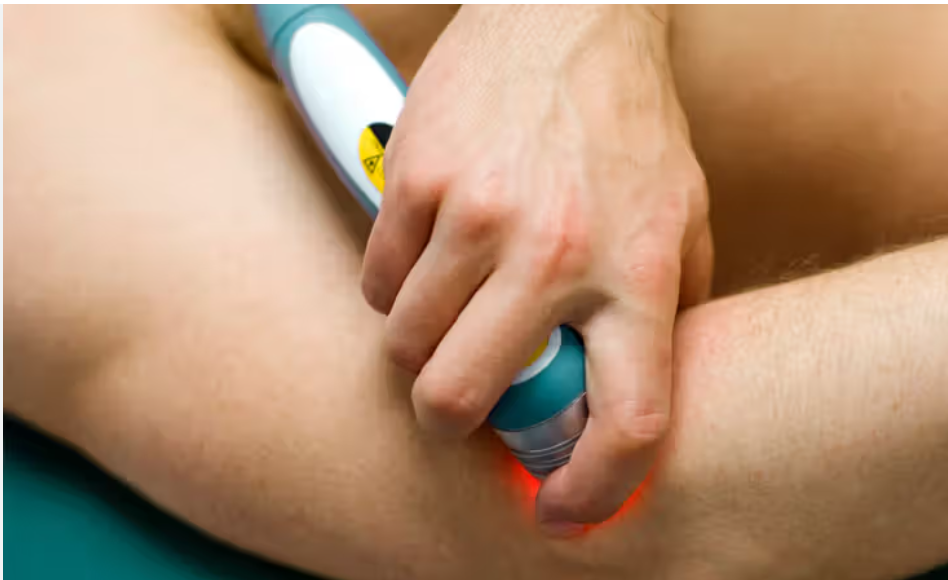
Cold laser therapy uses low-level laser energy to reduce inflammation in the jaw joint and surrounding soft tissue. It is non-invasive and painless, promoting cellular repair in tissues that have been under chronic stress. For patients with significant joint or muscle inflammation, cold laser therapy at Pain and Sleep can lower pain levels while other treatment elements stabilize the underlying mechanics.
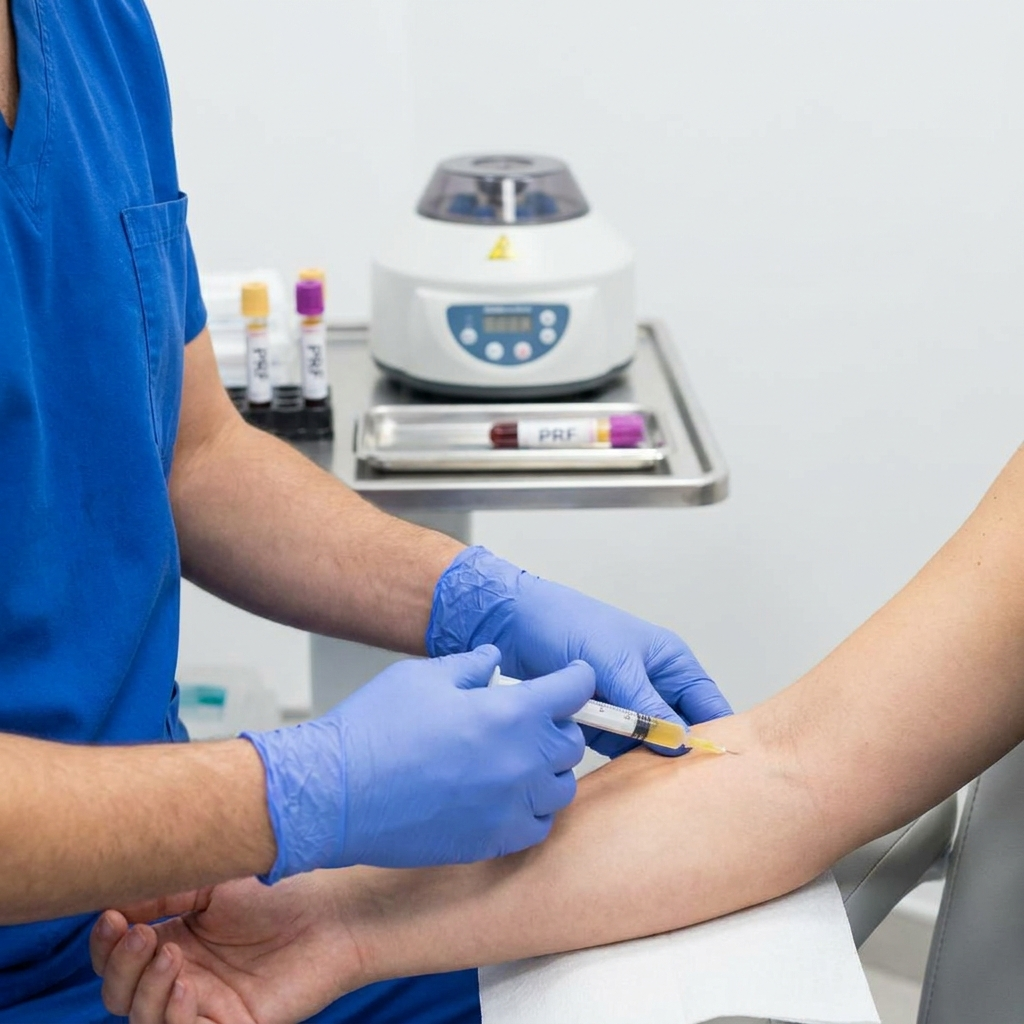
PRF injections use platelet-rich fibrin derived from your own blood to support tissue healing within the joint. This is particularly useful for patients with longer-standing joint degeneration or those who have not responded fully to appliance-based therapy. PRF injections at Pain and Sleep are part of a broader treatment plan, and Dr. Jacobs determines candidacy carefully based on evaluation findings.
If cost is a consideration, Pain and Sleep offers financing options so that getting the care you need does not have to wait.
The honest answer is: sooner than most patients do. The pattern that leads people to Pain and Sleep is almost always the same — months or years of managing symptoms rather than addressing the cause, with headache medications that stop working, or night guards from a general dentist that offered partial relief but never resolved the underlying problem.
Consider scheduling a dedicated evaluation at Pain and Sleep if:
Pain and Sleep in Bryn Mawr, PA is the only dedicated TMJ and sleep pain specialty practice on the Main Line. Dr. Carly Jacobs, DMD, brings dual board certification and hundreds of hours of advanced training specifically in this area — meaning patients receive an evaluation grounded in genuine specialty expertise, not a general dentistry add-on service.
If you are ready to find out whether your morning jaw pain and headaches have a treatable cause, call (610) 973-6595 or schedule your consultation online. You can also learn more about Dr. Jacobs and her approach to care before your first visit.