Read More

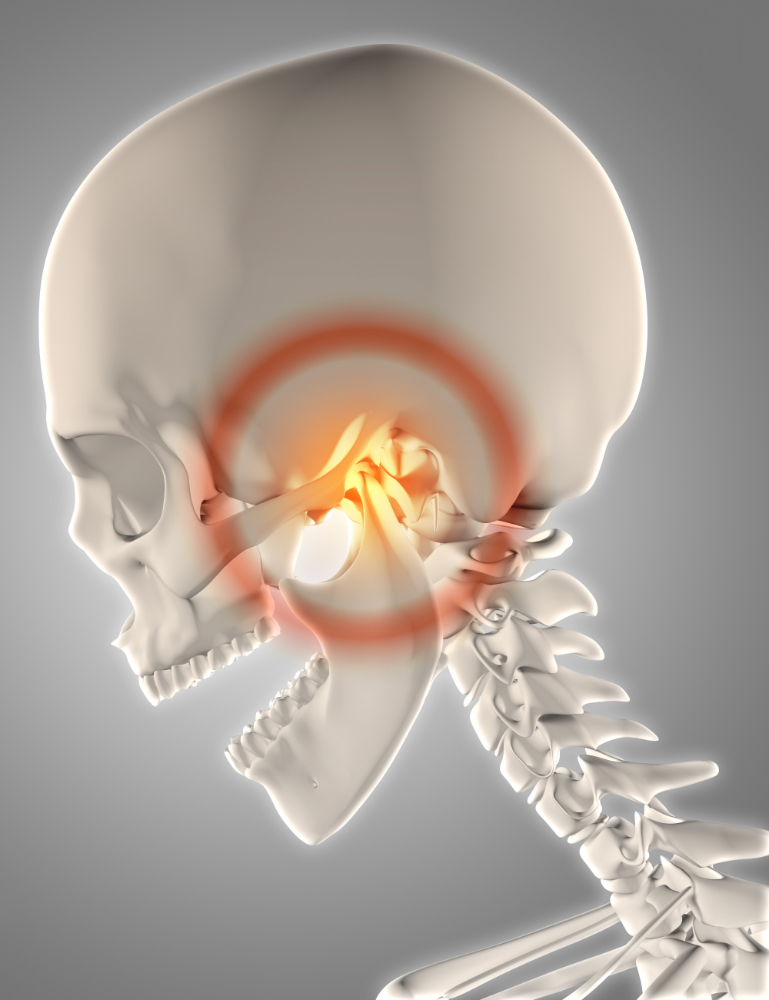
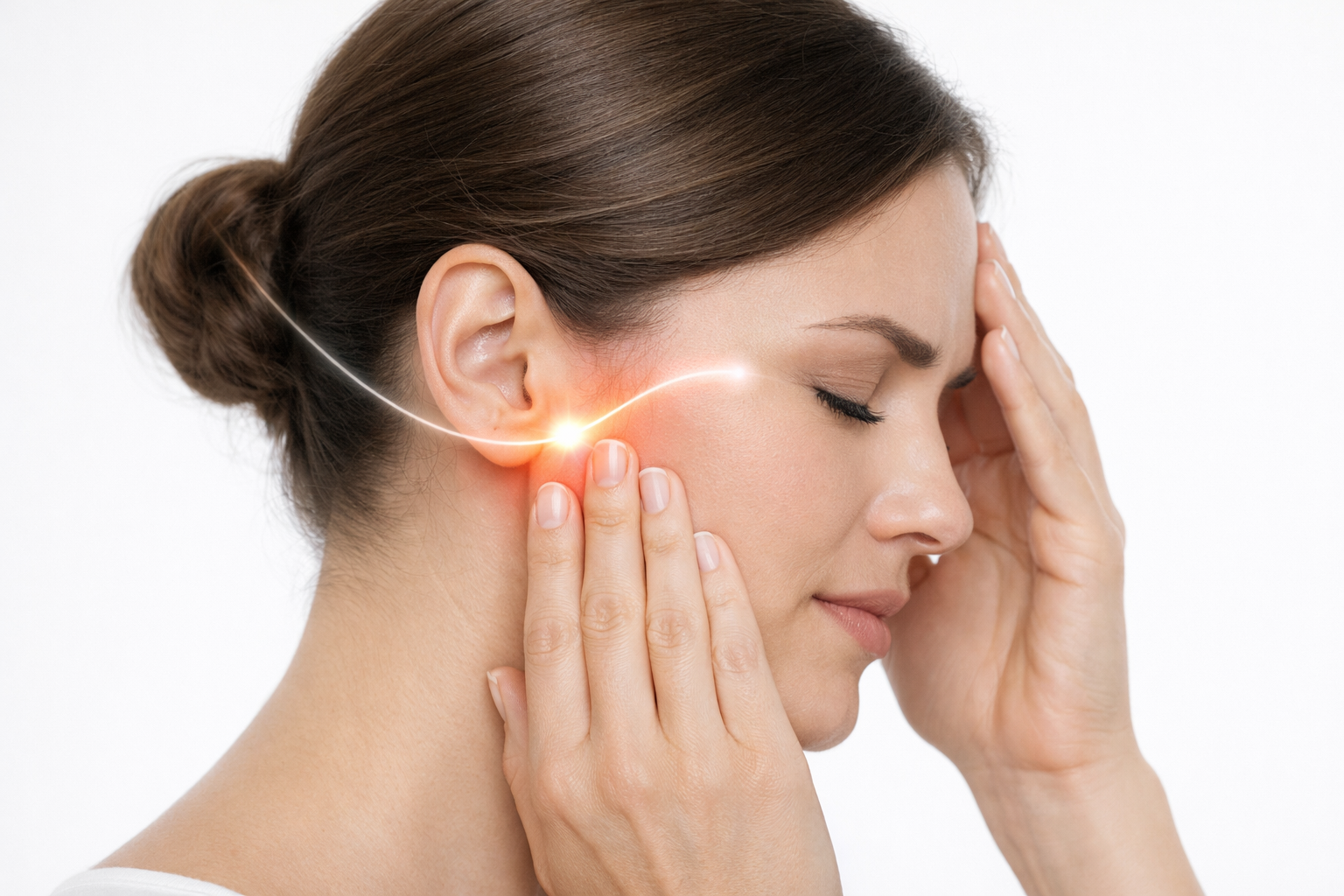
If your jaw clicks when you eat, locks when you yawn, or aches by the end of the day, you are dealing with one of the most under-diagnosed conditions in adult dentistry: TMJ disorder. The temporomandibular joint sits just in front of each ear and connects the lower jaw to the skull. When that joint or the muscles that move it are out of balance, the symptoms reach far beyond the jaw itself. Patients in Bryn Mawr and across the Main Line often spend years cycling through specialists for ear pain, facial tension, neck stiffness, or chronic fatigue before learning the source was the TMJ all along.
At Pain and Sleep in Bryn Mawr, Dr. Carly Jacobs evaluates and treats TMJ disorder as a whole-body condition rather than an isolated jaw problem. This guide explains what TMJ disorder actually is, the full range of symptoms it produces, why it gets missed, and how a thorough evaluation at our Main Line practice leads to lasting relief without surgery.
TMJ disorder, also called TMD, is a dysfunction of the temporomandibular joint or the muscles, ligaments, and nerves that control jaw movement. The joint is small, complex, and one of the most frequently used in the body, which is part of why it is so vulnerable. Pain and Sleep Therapy Center provides comprehensive TMJ disorder evaluation and treatment in Bryn Mawr, PA, led by Dr. Carly Jacobs, a double-boarded specialist in Dental Sleep Medicine and Craniofacial Dental Sleep Medicine.
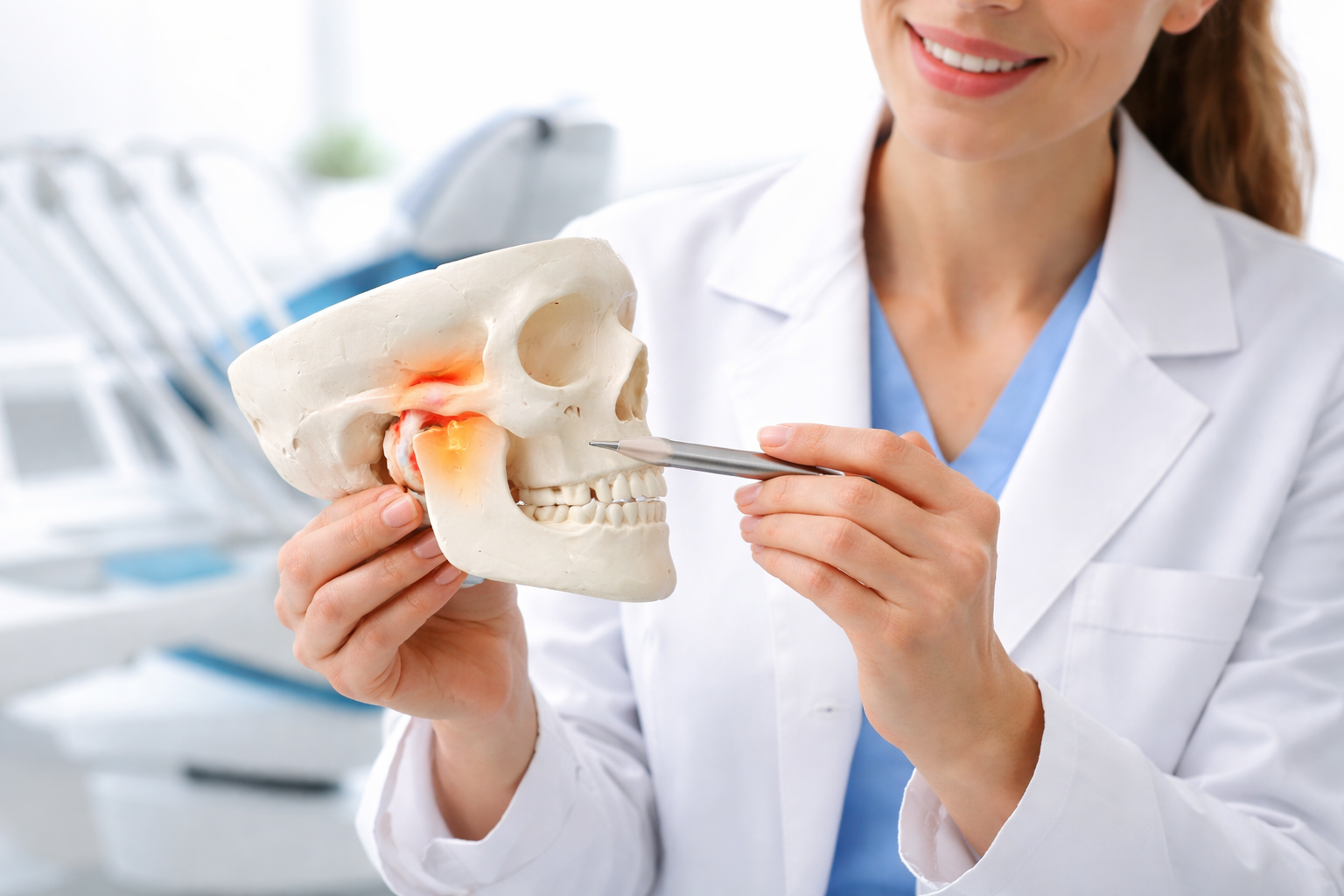
The joint contains a fibrous disc that acts as a cushion between the jawbone and the skull. The disc allows smooth opening, closing, and side-to-side motion. When the disc shifts out of position, the muscles around the joint stay locked in tension, or the joint itself becomes inflamed, the result is TMJ disorder. The condition affects an estimated 10 to 15 percent of adults at some point, and it is significantly more common in women than men.
Most cases of TMJ disorder respond well to noninvasive, non-surgical care when caught early. Surgery is rarely needed, and at our Bryn Mawr practice it is never the starting point.
TMJ disorder produces a wider range of symptoms than most patients expect. Some are obviously jaw-related. Others seem completely disconnected, which is why so many patients see three or four providers before getting the right diagnosis.
The most common signs of TMJ disorder include:
Patients usually present with a cluster of these rather than one in isolation. The presence of jaw sounds plus any of the other symptoms is a strong indicator that a TMJ evaluation is warranted.
Because the symptom map is so broad, TMJ disorder is regularly misdiagnosed as migraine, sinus infection, ear infection, anxiety, or a neck problem. Patients see ENTs, neurologists, primary care doctors, and general dentists without anyone running a complete evaluation of the joint and the muscles of mastication. The longer that pattern continues, the more entrenched the dysfunction becomes. Conservative care is most effective when started early, which is why our team at the Main Line office encourages patients to come in for a focused TMJ assessment as soon as the cluster of symptoms appears.
There is rarely a single cause. TMJ disorder usually develops from a combination of factors that compound over time. The most common drivers are:
Understanding which combination is driving your case is the entire point of a proper diagnostic workup. Treatment without that step is a guess.
A complete TMJ evaluation at our Bryn Mawr office follows a clear sequence designed to identify the root cause before any treatment is recommended.
You can review Dr. Jacobs's full clinical background and credentials on the Meet Dr. Jacobs page before your visit, or learn more about our TMJ disorder treatment approach for context on the care we provide.
Yes. The vast majority of TMJ disorder cases respond well to conservative, noninvasive care. Research summarized through the National Institutes of Health confirms that conservative therapy resolves or significantly reduces symptoms in most patients. You can review the peer-reviewed clinical research on TMJ disorder treatment for more detail on the evidence base.
The treatments we use most often at our Main Line office include:
Pain and Sleep treats the cause, not just the symptom. That principle matters more for TMJ disorder than almost any other condition we see, because surface-level fixes are exactly what landed many of our patients in the office in the first place. You can review the full range of services offered at Pain and Sleep for more on how we structure care.
Our Bryn Mawr office serves patients from across the Main Line corridor, including Wayne, Villanova, Radnor, Haverford, Ardmore, Wynnewood, Narberth, and Bala Cynwyd. What sets the practice apart for TMJ care is the combination of advanced credentials, a noninvasive philosophy, and the willingness to spend the time it takes to get the diagnosis right.
Dr. Carly Jacobs holds dual board certifications from the American Board of Dental Sleep Medicine and the American Board of Craniofacial Dental Sleep Medicine. That credential pairing is uncommon and reflects deep training in both the airway and the jaw, which is exactly the intersection where most TMJ cases get missed. Patients consistently tell us the visit feels different from past appointments. The evaluation is unhurried, the explanations are clear, and the plan is built around your specific case rather than a one-size-fits-all protocol.
If you have jaw pain that is not resolving on its own, jaw sounds with any other symptom on the list above, recurring morning soreness, or a sense that your bite has changed, do not wait. TMJ disorder tends to progress when it is left alone. Early conservative care produces the best outcomes, and the longer the muscles stay locked in a tension pattern, the more involved the treatment plan becomes.
Call (610) 973-6595 or book your TMJ evaluation online to get on the schedule. Our team will confirm your appointment, send the new patient paperwork, and review insurance and financing options ahead of your visit.
TMJ disorder is treatable, and in most cases, it is treatable without surgery. The path to relief starts with a thorough diagnosis, an honest conversation about what is driving your case, and a treatment plan built around your specific anatomy, lifestyle, and goals. Pain and Sleep in Bryn Mawr, PA, led by Dr. Carly Jacobs, DMD, offers exactly that kind of evaluation. If you suspect TMJ disorder is behind your symptoms, call (610) 973-6595 or visit Pain and Sleep at 1149 Lancaster Ave, Suite 5, Bryn Mawr, PA 19010 to schedule your consultation.