Read More


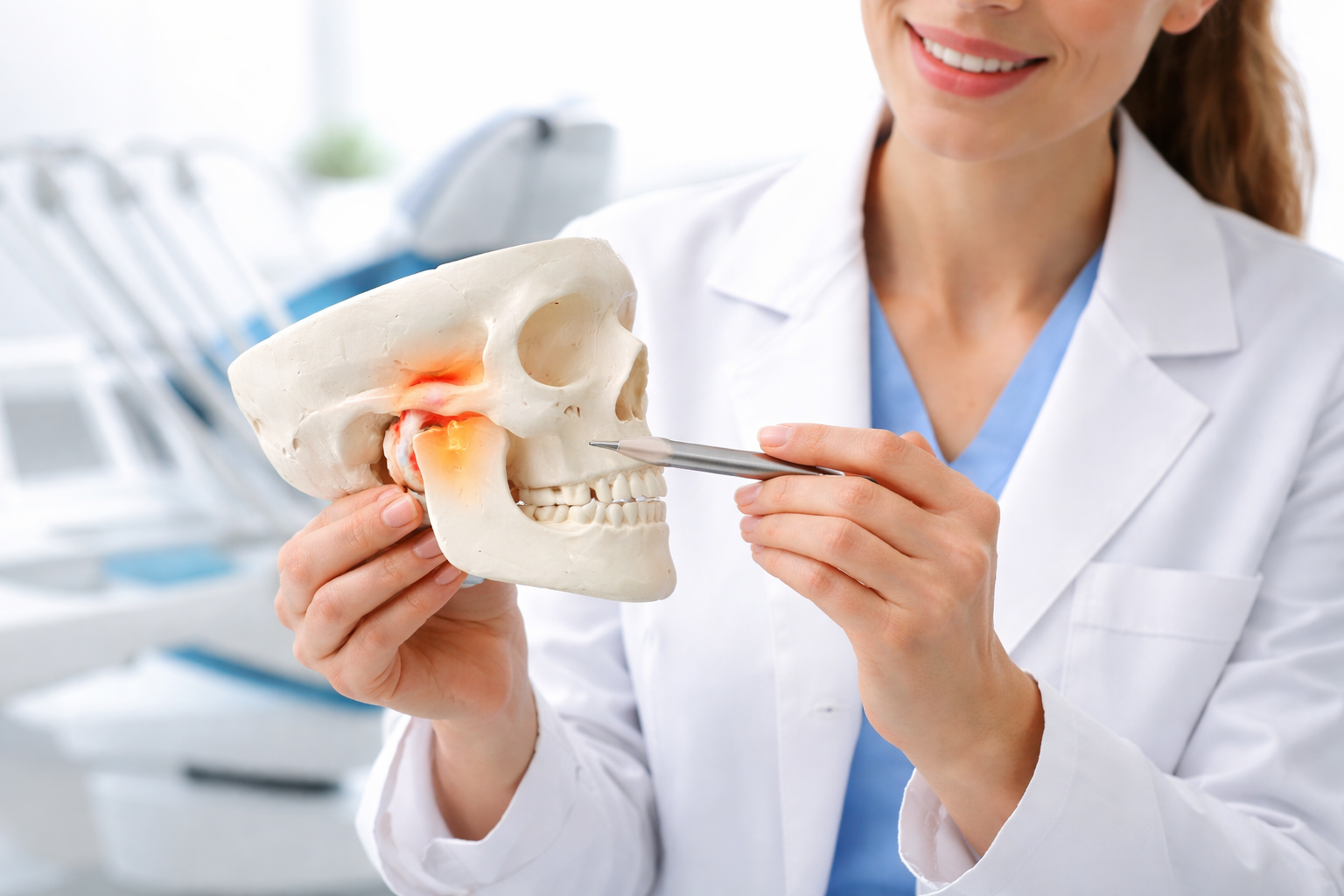
Temporomandibular joint (TMJ) disorders affect millions of people, causing jaw pain, chronic headaches, and difficulty with everyday activities like eating and speaking. If you are experiencing these symptoms, understanding what TMJ disorder is and knowing your treatment options is the first step toward lasting relief.
TMJ disorders present through a range of symptoms that can gradually worsen without proper care. Recognizing these signs early gives you the best chance at effective treatment and faster recovery.
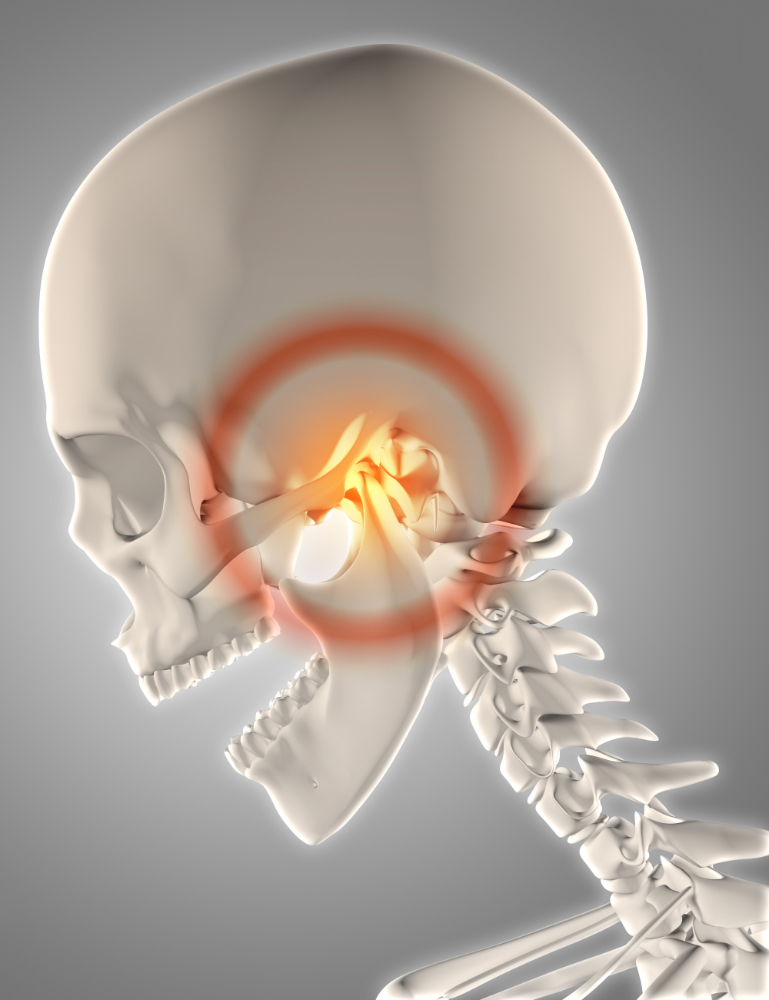
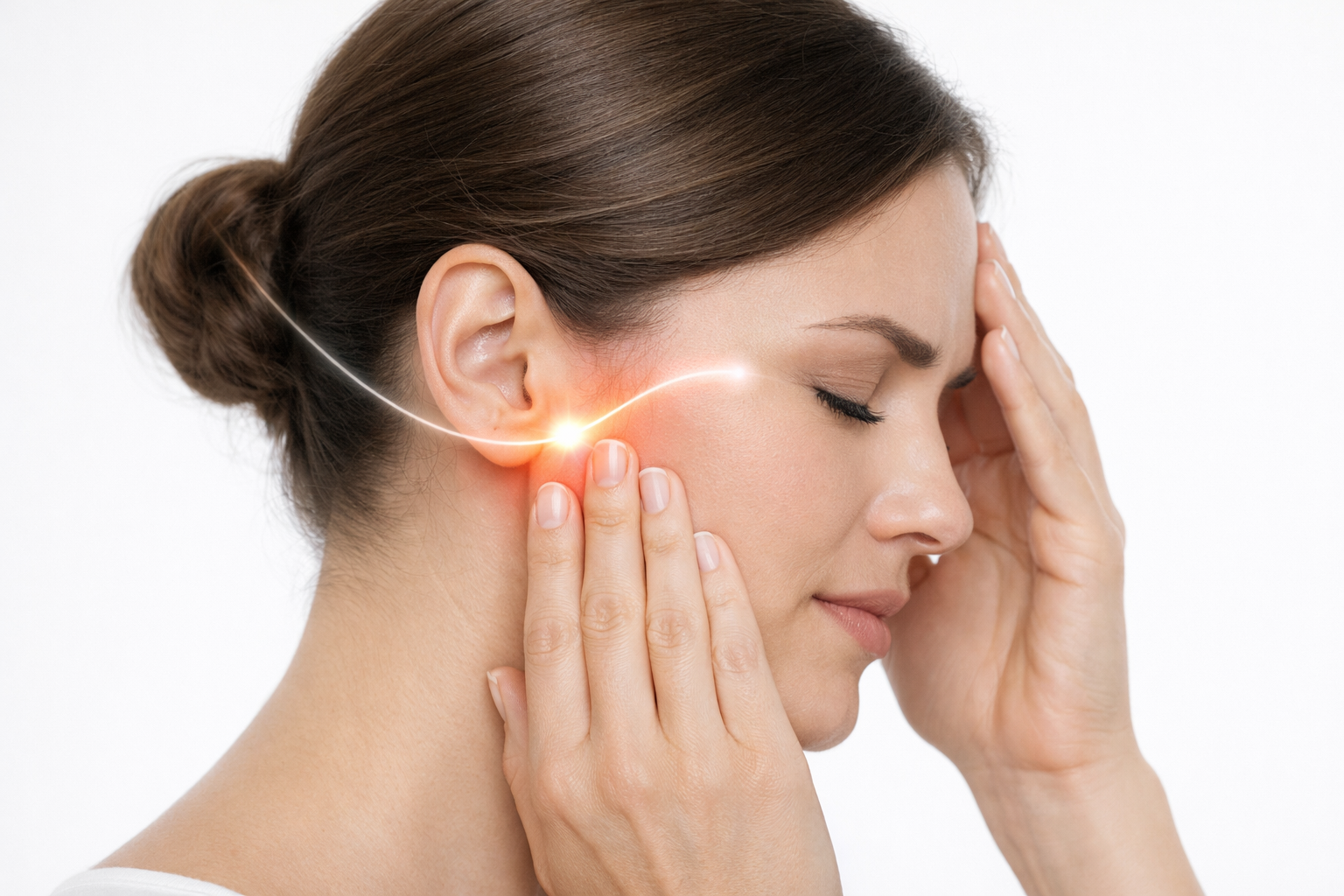
Persistent discomfort in the jaw area, especially when opening or closing the mouth, is one of the most common indicators of TMJ dysfunction. The temporomandibular joint connects the jawbone to the skull, and any misalignment, inflammation, or excessive stress on this joint can produce significant pain. TMJ disorders can also cause referred pain that radiates into the face, neck, and shoulders.
Frequent headaches, particularly those originating near the temples or behind the eyes, are often linked to jaw tension and joint misalignment. Many patients who suffer from chronic headaches discover that addressing the underlying TMJ issue provides the relief that traditional headache treatments could not.
A limited range of motion in the jaw can make eating, speaking, and even yawning a challenge. Some patients also experience clicking, popping, or grating sounds when moving the jaw, which can signal internal changes within the joint.
The most common symptoms of temporomandibular joint disorders include joint sounds such as clicking or crepitation, pain during jaw movement, strain in the masseter and surrounding muscles, and restricted mandibular movement. (Ataya, J., 2022)
TMJ disorders can affect more than just the jaw. Be aware of these additional warning signs:
Accurate diagnosis is the foundation of effective TMJ treatment. At Pain and Sleep Therapy Center, Dr. Carly Jacobs conducts a comprehensive evaluation that examines muscle function, joint mechanics, airway health, and lifestyle factors to build a complete picture of each patient's condition.
Specialists use a combination of clinical examination and advanced imaging to assess both the hard and soft tissues of the temporomandibular joint. Diagnostic approaches may include:
Each diagnostic imaging method demonstrates distinct sensitivity and specificity for different subtypes of TMJ dysfunction, making a multi method approach essential for accurate diagnosis. (Ferreira, L.A., 2016)
Early diagnosis of TMJ disorders is one of the most important factors in achieving a successful outcome. When treatment begins before symptoms progress, patients typically experience faster relief, less invasive interventions, and better long term management. Waiting too long can allow compensatory habits and structural changes to develop, making treatment more complex.
A range of effective, non invasive treatment options are available for patients with TMJ disorders. Dr. Carly Jacobs develops personalized treatment plans based on each patient's diagnosis, symptom severity, and overall health goals.
Custom designed oral appliances reposition and stabilize the jaw to reduce strain on the temporomandibular joint. These devices are tailored to each patient and are worn during sleep to address clenching, grinding, and airway related issues simultaneously.
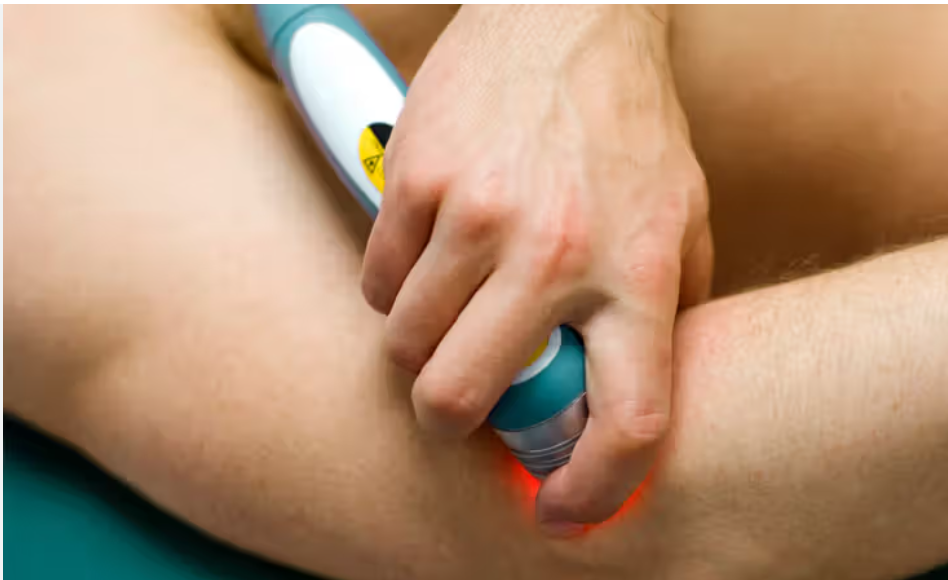
Cold laser therapy is a non invasive treatment that uses low level light energy to reduce inflammation, promote tissue healing, and relieve pain in the jaw area. Many patients experience noticeable improvement after just a few sessions.
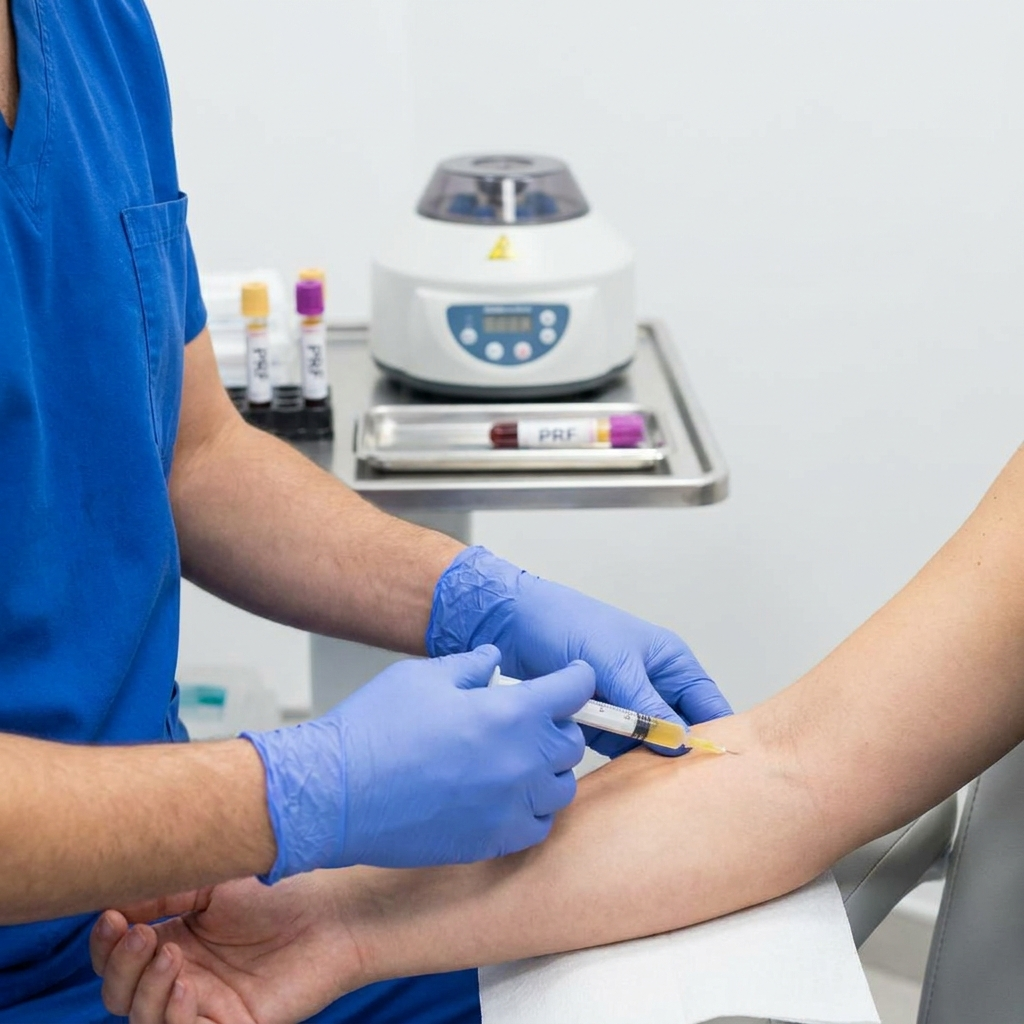
Platelet rich fibrin (PRF) injections use the patient's own blood to create a concentrated healing compound that is injected directly into the affected joint. This regenerative approach accelerates tissue repair and can provide significant relief from chronic TMJ pain.
Physical therapy focuses on targeted exercises that strengthen the jaw muscles, improve flexibility, and restore proper movement patterns. Splints work alongside therapy by stabilizing the jaw and preventing teeth grinding, which can worsen TMJ symptoms over time. Together, these approaches form a comprehensive management strategy.
Surgery is considered a last resort for TMJ disorders, reserved for severe cases involving structural damage within the joint that do not respond to conservative treatment. The vast majority of patients find lasting relief through the non invasive options listed above, making surgery unnecessary in most situations.
Dr. Carly Jacobs at Pain and Sleep Therapy Center is a TMJ specialist and dental sleep medicine expert serving the Main Line and greater Bryn Mawr area. With advanced, specialized training in both TMJ disorders and dental sleep medicine, Dr. Jacobs brings a holistic, patient-centered approach to every case.
Ready to find relief from TMJ pain?
Schedule your personalized evaluation with Dr. Carly Jacobs and take the first step toward lasting comfort.
Phone: (610) 973-6595
Address: 1149 Lancaster Ave, Suite 5, Bryn Mawr, PA 19010
Website: pscmainline.com
Choosing the right provider is essential for getting the results you deserve. When evaluating TMJ specialists, prioritize these qualities:
Hearing from other patients can give you confidence in your choice of provider. Visit the Pain and Sleep Therapy Center website to read reviews and success stories from patients who have found relief under Dr. Jacobs' care. You can also check trusted review platforms for additional perspectives from the Bryn Mawr and Main Line community.