Read More


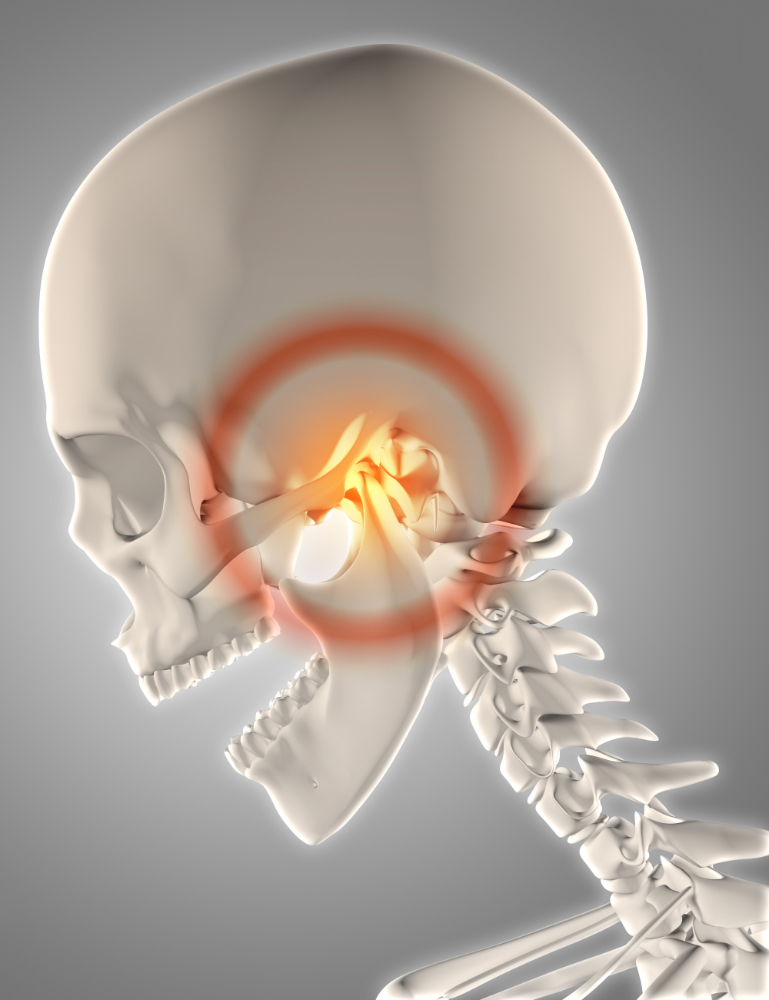
Your jaw muscles were never meant to work this hard. In a healthy mouth, the chewing muscles fire when you eat and rest the remainder of the day. But if you clench through stressful meetings, grind through the night, or carry tension in your jaw the way other people carry it in their shoulders, those muscles never get their rest. Over time they become thick, tight, and painful, and that overworked muscle tissue drives many of the most stubborn TMJ symptoms: aching jaws, tension headaches, facial pain, and the tender knots you can feel along your cheek and temple.
When muscle overactivity is the engine of the pain, treating the muscle directly can change everything. That is exactly what injection therapy for TMD does. At the Pain and Sleep Therapy Center in Bryn Mawr, Dr. Carly M. Jacobs uses two kinds of targeted injections, muscle relaxing injections and trigger point injections, as part of individualized, root cause treatment plans for patients across the Main Line. This guide explains how each works, who benefits, and what to expect.
TMJ disorder is rarely just a joint problem. The muscles that move your jaw, especially the masseter along your cheek and the temporalis at your temple, are among the strongest in the body for their size. When clenching and grinding keep them contracting hours beyond their design, three things happen:
Appliances, physical therapy, and habit changes address much of this, and they remain the foundation of care. But when muscles have been locked in overdrive for years, they sometimes need direct help to let go. That is where injection therapy comes in.
Muscle relaxing injections place a purified therapeutic protein precisely into an overactive muscle, where it reduces the nerve signals that drive excessive contraction. For TMJ patients, small, carefully mapped doses in the masseter and temporalis muscles turn down the intensity of clenching and grinding without stopping normal function. You still chew, speak, and smile exactly as before. The muscle simply stops working overtime.
Patients typically notice tension easing within the first one to two weeks, with relief lasting roughly three to four months per treatment. Many describe the change simply: the jaw finally feels quiet.
It is worth clarifying a common question: these are therapeutic injections, not cosmetic ones. The goal, dosing, and placement are entirely clinical, targeting pain and muscle overactivity rather than appearance. One welcome side note is that relaxing an enlarged masseter can slightly soften a squared jawline over time, which some patients consider a bonus.
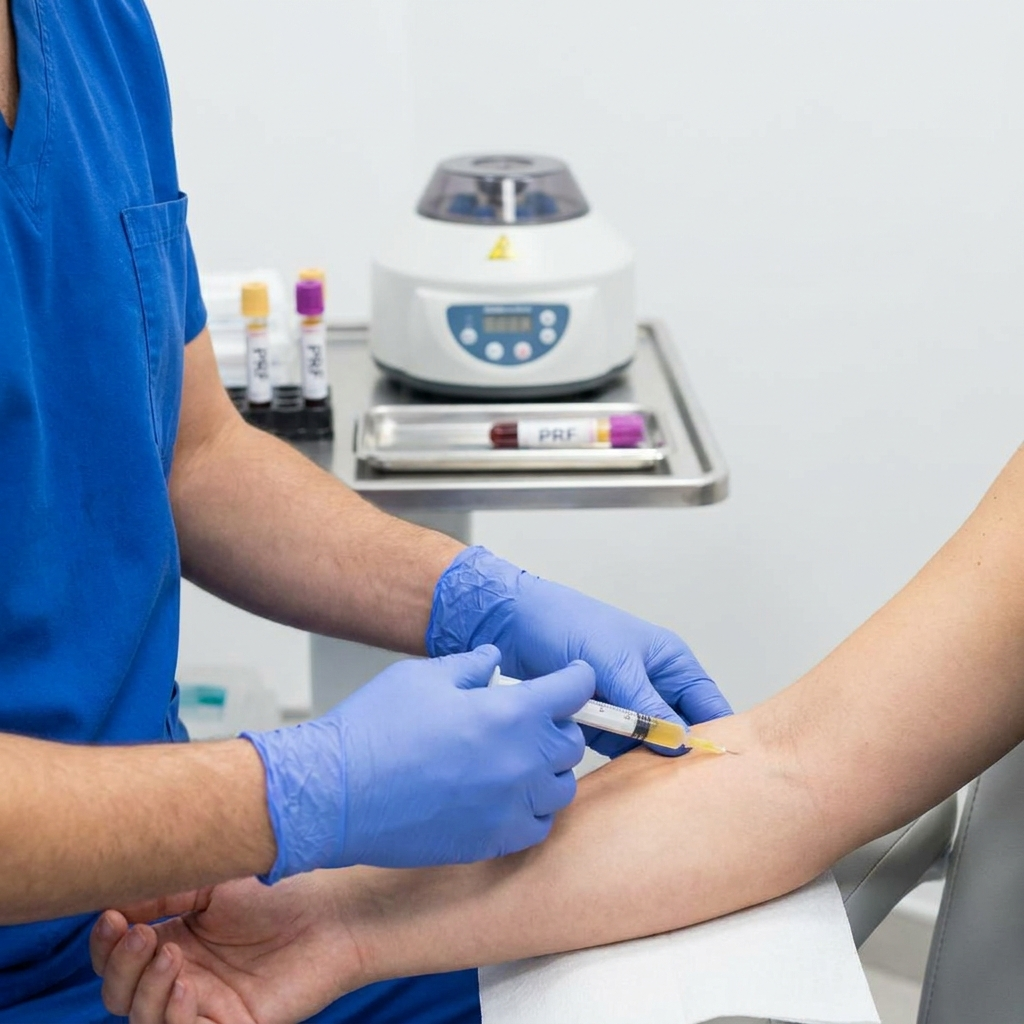
If muscle relaxing injections turn down the overall volume of muscle activity, trigger point injections silence the individual alarm bells. A trigger point injection places a small amount of local anesthetic directly into a painful muscle knot. The needle itself helps release the contracted band of tissue, and the anesthetic breaks the pain cycle, allowing the muscle to reset and the referred pain to fade.
Trigger point therapy is especially useful when Dr. Jacobs can locate specific tender points that reproduce your symptoms when pressed. Relief often begins quickly, and repeated treatments, combined with the rest of your plan, help retrain the muscle to stay relaxed.
Injection therapy tends to help Main Line patients who recognize themselves in descriptions like these:
Injection therapy here is never a walk-in, one-size-fits-all shot. It follows the same evaluation-first approach we bring to every TMJ treatment plan:
Wondering about costs? Our team reviews insurance and payment options with you before treatment so there are no surprises.
Jaw pain that has lasted months or years rarely resolves by guessing at it. It resolves when someone takes the time to find the source and treat it directly. That is the entire philosophy behind Dr. Carly Jacobs and the Pain and Sleep Therapy Center in Bryn Mawr, and it is why patients across the Main Line trust us with the pain other treatments have not touched.
If clenching, jaw tension, or recurring headaches are wearing you down, start with a conversation. Call (610) 973-6595 or book online, and ask about our free 30-minute virtual consultation. Your jaw has been working overtime long enough.
For patients whose pain is driven by overactive jaw muscles, yes. Muscle relaxing injections reduce the nerve signals that cause excessive clenching and grinding, easing muscle pain and tension headaches while preserving normal chewing and speech. They work best as part of a comprehensive plan rather than as a standalone fix.
Most patients feel relief begin within one to two weeks, with effects lasting roughly three to four months. Many patients repeat treatment a few times per year, and some find the interval stretches as their muscles retrain.
Most patients feel a brief pinch and momentary pressure as the trigger point releases. The discomfort is minor and short lived, and many patients feel the treated muscle loosen almost immediately.