Read More


If you live in Bryn Mawr or the surrounding Main Line and your CPAP machine has ended up in a closet, you are not alone. As many as 40 percent of patients prescribed CPAP stop using it within the first year. The mask hurts your face. The hose tangles. The noise wakes your partner. You wake up just as tired as before. The good news is that effective CPAP alternatives in Bryn Mawr exist, and most patients do not realize how well they work. At Pain and Sleep Therapy Center, Dr. Carly Jacobs treats obstructive sleep apnea with proven non-invasive options designed around your anatomy, your lifestyle, and your goals.
Continuous positive airway pressure therapy is effective when patients actually wear it every night. The challenge is that many cannot. The mask presses against the bridge of your nose. The straps leave marks. Air leaks into your eyes. The hum of the motor disturbs light sleepers. Travel becomes complicated because the machine has to come with you. Some patients develop claustrophobia. Others find the constant air pressure dries out their nose and throat. Add a partner who is tired of the noise, and consistency falls apart fast.
When patients in Ardmore, Wayne, and Bryn Mawr stop using their CPAP, the underlying sleep apnea returns the same night. Snoring resumes. Oxygen levels drop. Daytime fatigue, brain fog, and morning headaches come back. Long-term untreated obstructive sleep apnea is associated with high blood pressure, heart disease, stroke, and worsening focus and memory. The goal is not to make you fight your CPAP. The goal is to find a treatment you will actually use every night. That is where CPAP alternatives in Bryn Mawr come in. Several options exist, and the right one depends on the severity of your apnea, your airway anatomy, and your day-to-day life.
The most effective CPAP alternatives for obstructive sleep apnea include custom oral appliance therapy, positional and lifestyle therapy, upper airway surgery, and hypoglossal nerve stimulation. For most adults with mild to moderate sleep apnea, and for many with severe apnea who cannot tolerate CPAP, a custom oral appliance from a trained dental sleep medicine specialist offers the best balance of comfort, effectiveness, and daily wearability.
A custom oral appliance, also called a mandibular advancement device, looks similar to a clear retainer. It fits over your upper and lower teeth and gently moves your lower jaw forward while you sleep. That small forward shift keeps the soft tissue at the back of your throat from collapsing into your airway. The result is quieter breathing, fewer apnea events, and deeper sleep. The American Academy of Sleep Medicine recommends oral appliance therapy for patients with mild to moderate obstructive sleep apnea, and for CPAP intolerant patients with severe apnea. At Pain and Sleep Therapy Center, every appliance is custom built from digital impressions and adjusted over several visits for ideal fit. Learn more on our snoring and sleep apnea appliances service page.
Some patients have apnea that worsens only when sleeping on their back. Positional therapy uses a wearable device or specialized pillow to keep you off your back. Weight loss, reducing alcohol before bed, treating nasal congestion, and improving sleep hygiene can also reduce the severity of obstructive sleep apnea. These changes work best alongside other treatment, not in place of it.
For patients whose anatomy creates a specific blockage, ENT surgery to remove or reshape tissue can help. Hypoglossal nerve stimulation, an implanted device that gently moves the tongue forward during sleep, is another option for select patients who cannot tolerate CPAP and do not qualify for an oral appliance. These are more involved interventions, and most patients in Bryn Mawr exhaust non-surgical options first.
Oral appliance therapy treats obstructive sleep apnea by repositioning your lower jaw a few millimeters forward during sleep, which keeps your airway open. The science is straightforward. When you fall asleep, the muscles in your throat relax. If your lower jaw drops back, your tongue and soft palate can slide into the airway and partially or fully block it. Each blockage is an apnea event. Your oxygen drops, your brain wakes you briefly, and the cycle repeats dozens or hundreds of times a night. A properly fitted oral appliance keeps your jaw in a forward position so the airway stays open.
What makes oral appliance therapy effective is the fit. Over-the-counter mouthpieces and boil-and-bite devices are not designed for your specific anatomy and often cause jaw pain, tooth movement, or bite changes. A custom appliance built by a trained dental sleep specialist is calibrated to your jaw position and adjusted in small increments until your symptoms resolve. Dr. Carly Jacobs holds dual diplomate status with the American Board of Dental Sleep Medicine and the American Board of Craniofacial Dental Sleep Medicine, which means she has completed the highest level of training available in this field.
If you have already been diagnosed with sleep apnea and want to learn whether oral appliance therapy is right for you, you can schedule a complimentary virtual consultation with Pain and Sleep Therapy Center at any time. Patients regularly drive in from across the Main Line, including Wayne, Villanova, Haverford, and Gladwyne.
Oral appliance therapy in Bryn Mawr follows a consistent process at Pain and Sleep Therapy Center.
The full process from consultation to confirmed results typically takes two to three months. Patients usually notice quieter sleep, better energy, and fewer morning headaches within the first few weeks.
In most cases, yes. Custom oral appliance therapy for obstructive sleep apnea is considered a medical device, which means it is typically billed through medical insurance rather than dental insurance. Coverage varies by carrier and plan. Pain and Sleep Therapy Center works with most major medical insurance providers and verifies your benefits before treatment begins so you know your costs in advance. Patients in Bryn Mawr, Ardmore, and the broader Main Line can also use flexible spending accounts, health savings accounts, and CareCredit for any out-of-pocket portion. For a full breakdown, visit our insurance information page or our financing options page.
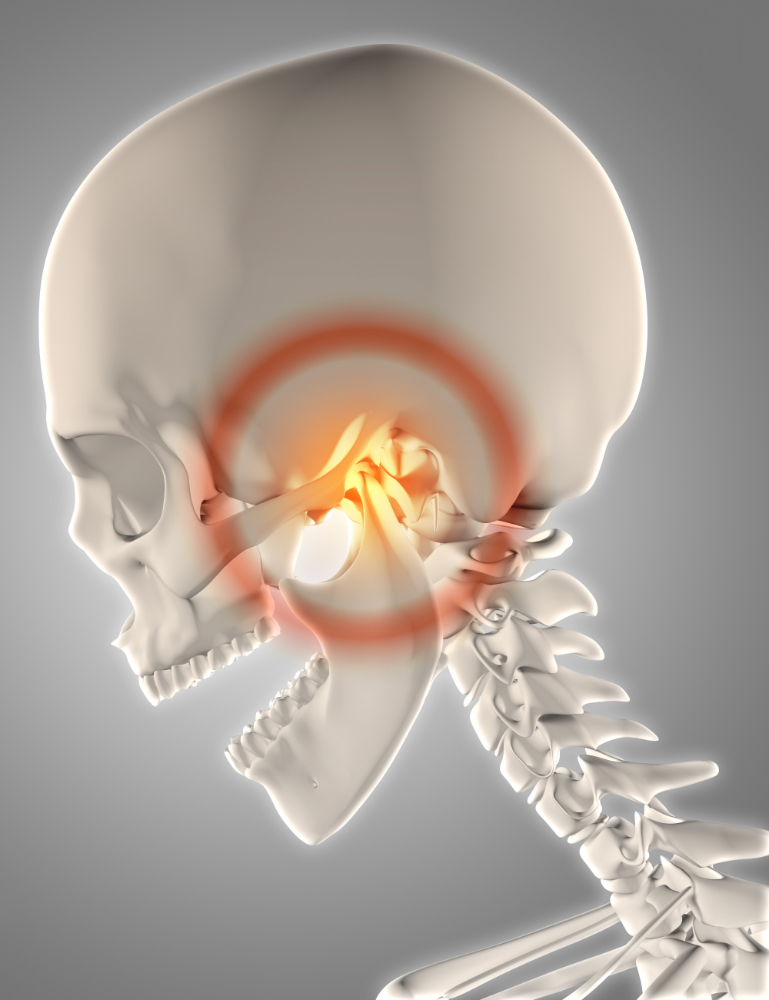
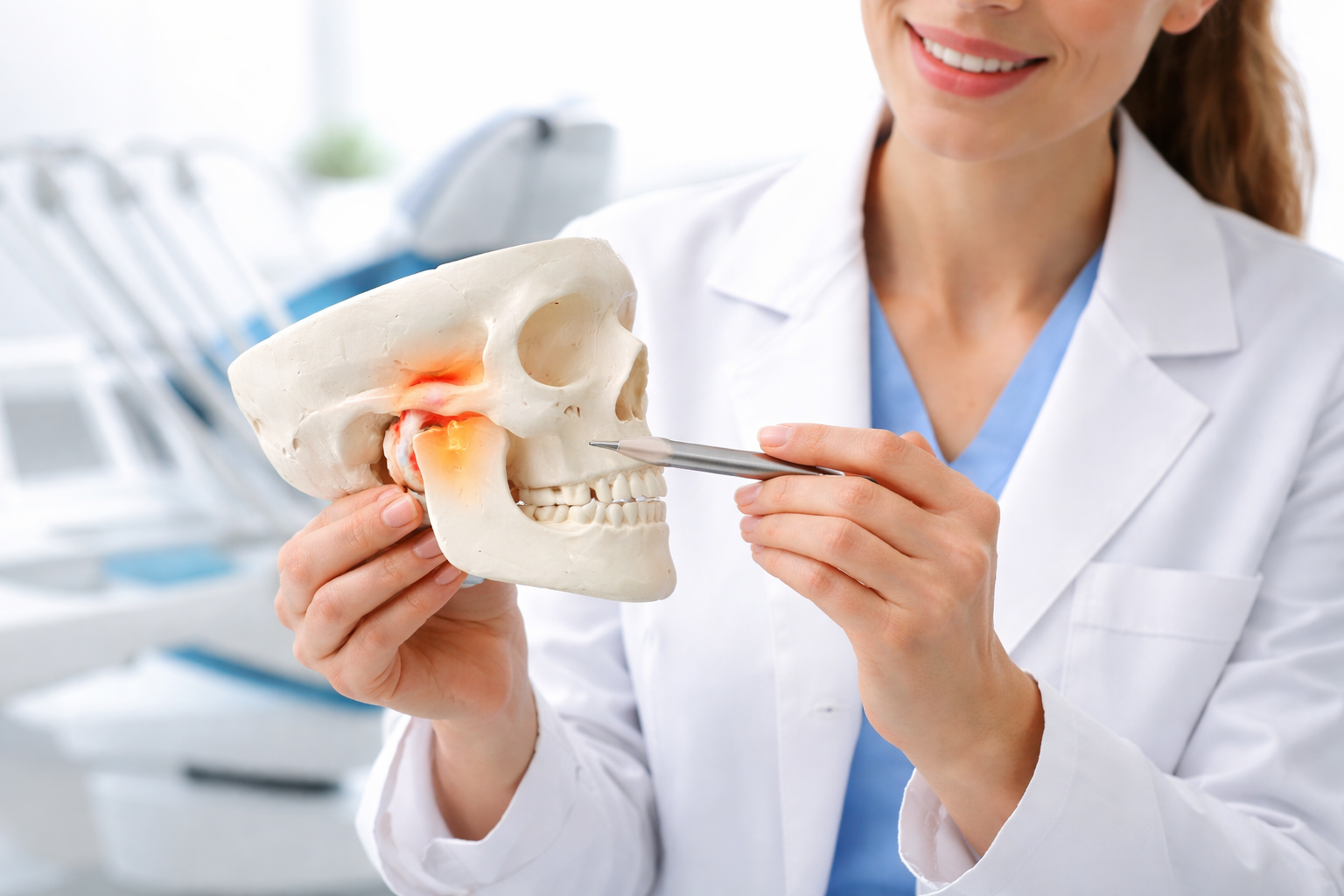
For some patients, yes. For others, it requires careful planning. Sleep apnea and TMJ disorder often overlap because both involve the position of the jaw and the muscles that control it. Many patients arrive at Pain and Sleep Therapy Center with both conditions at once. A sleep appliance that moves the jaw forward can sometimes aggravate an unstable jaw joint, which is why Dr. Jacobs evaluates the temporomandibular joint before fitting any oral appliance. When TMJ and sleep apnea coexist, treatment may include a daytime orthotic to stabilize the jaw alongside a nighttime sleep appliance. To understand the connection in more detail, read our article on the hidden link between jaw pain and headaches.
This combined approach is one reason patients across the Main Line choose Pain and Sleep Therapy Center over a general dental office. Sleep medicine and craniofacial pain are Dr. Jacobs's only focus.
CPAP remains an excellent treatment for many patients with severe obstructive sleep apnea, particularly those who tolerate the mask well and whose anatomy does not respond as predictably to an oral appliance. The right answer is not always to abandon CPAP. Sometimes a different mask style, a heated humidifier, or a lower pressure setting solves the problem. Dr. Jacobs frequently collaborates with sleep physicians across the Philadelphia area to coordinate the best treatment for each patient. If you are not sure whether your CPAP is the issue or the prescription is the issue, a second opinion is a reasonable next step. For background reading on the full range of treatment options, the American Academy of Sleep Medicine maintains a patient resource library on obstructive sleep apnea that is independent of any specific practice.
Pain and Sleep Therapy Center provides oral appliance therapy and CPAP alternatives in Bryn Mawr, Pennsylvania, serving patients from across the Main Line including Ardmore, Wayne, Villanova, Haverford, Gladwyne, and Rosemont. Dr. Carly Jacobs, Diplomate of the American Board of Dental Sleep Medicine and the American Board of Craniofacial Dental Sleep Medicine, leads every consultation personally and designs each appliance around your airway, jaw, and lifestyle. If your CPAP is not working for you, your next step is a conversation, not a prescription. To schedule a complimentary virtual consultation, call (610) 973-6595 or book your appointment online. Your sleep is worth getting right.