Read More


Jaw pain has a way of taking over your day. It can make eating uncomfortable, turn a normal conversation into a chore, and leave you waking up sore before your morning even starts. If you live in or around Bryn Mawr and you have been dealing with a stiff, aching, clicking, or tender jaw, you are not alone, and you do not have to keep pushing through it. At Pain and Sleep, we help patients across the Main Line understand what is driving their jaw pain and find relief that actually holds.
This guide walks you through the most common reasons your jaw hurts, why pain often shows up on just one side, the signs that it is time to see a provider, and the nonsurgical options available close to home.
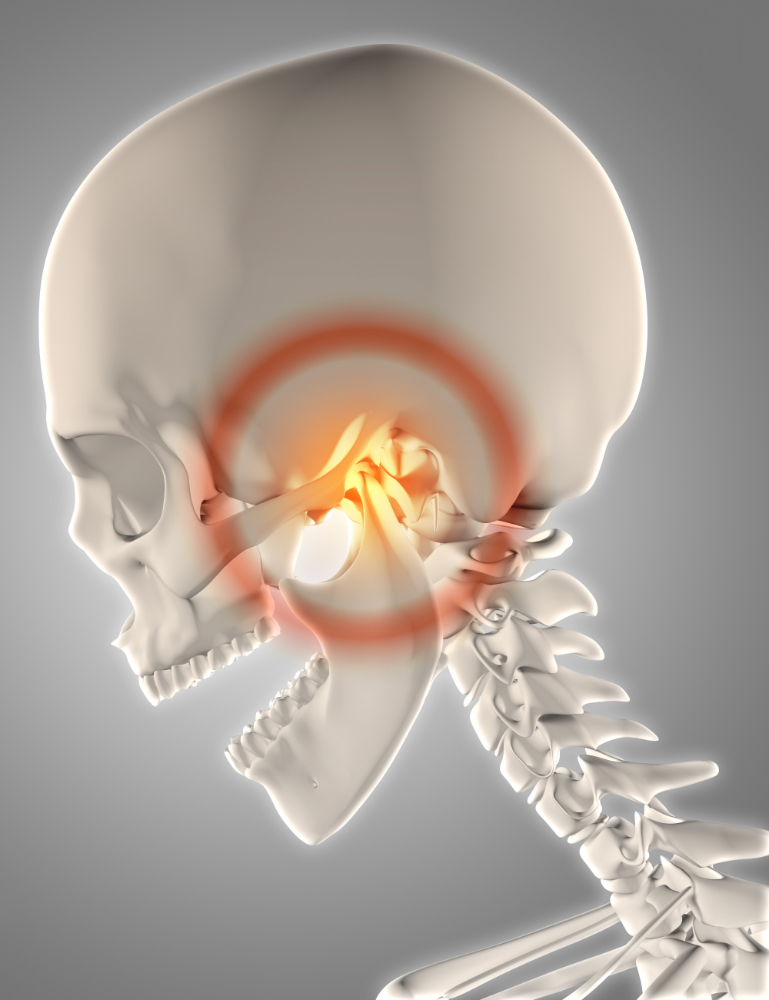
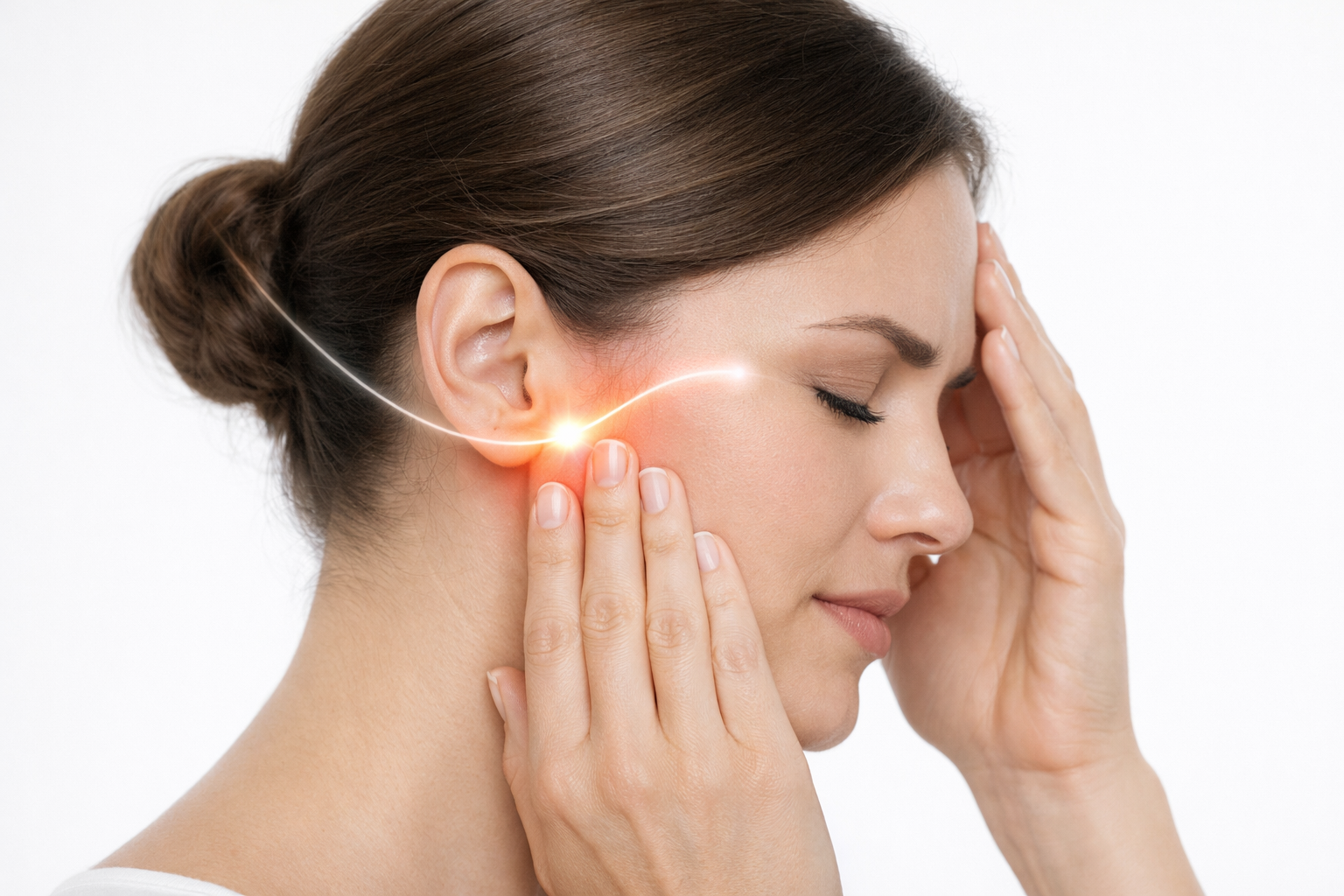
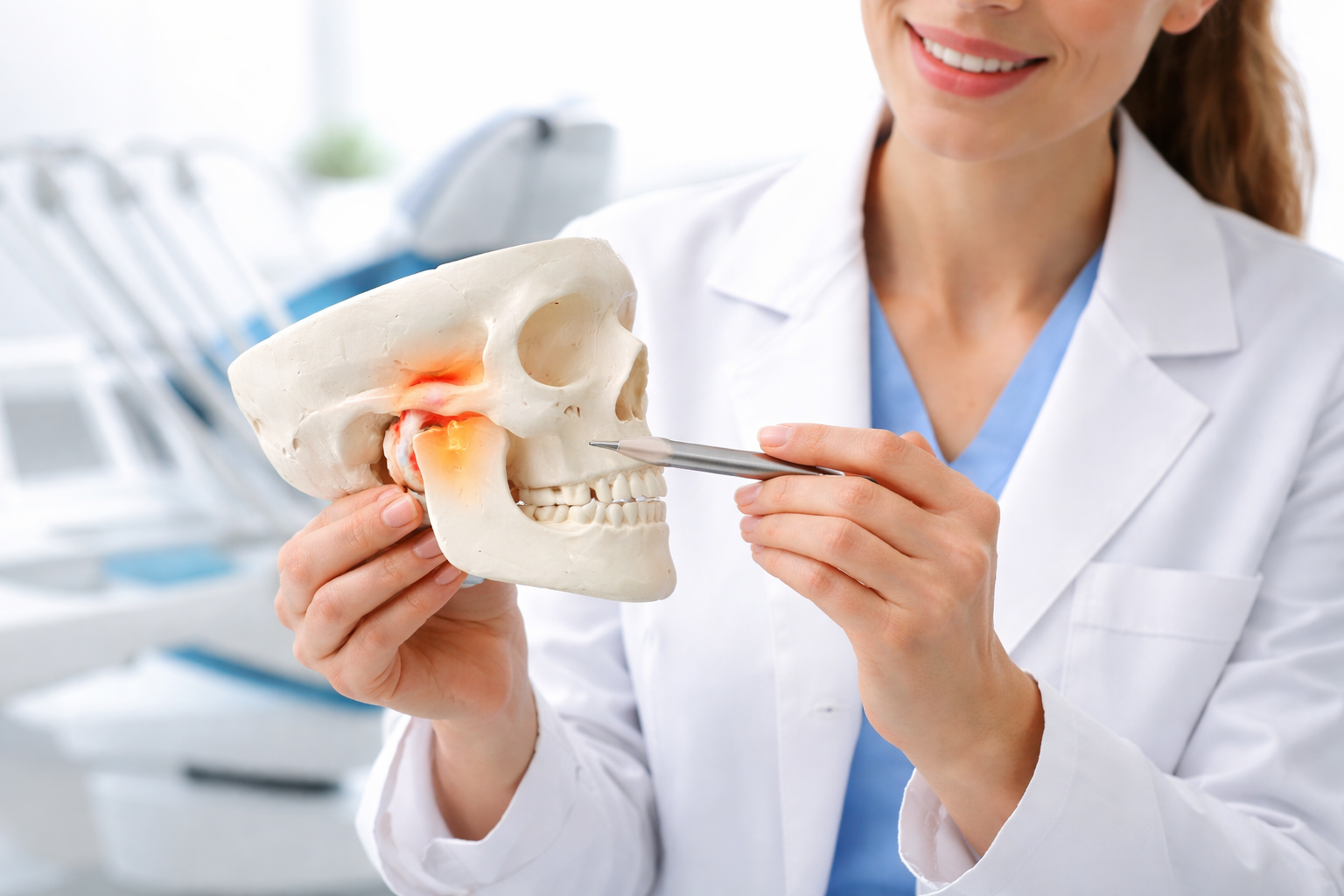
Jaw pain is most often caused by a problem with the temporomandibular joint, the muscles that move your jaw, or the way you clench and grind your teeth. These joints sit just in front of your ears and let your lower jaw move up and down and side to side. When the joint or the surrounding muscles are strained or inflamed, pain follows.
A temporomandibular joint disorder, often shortened to TMJ or TMD, is one of the leading sources of ongoing jaw pain. It can develop from teeth grinding, jaw clenching, stress, arthritis, or an old injury. Common signs include clicking or popping when you open your mouth, difficulty chewing, ear pressure, and tension headaches. You can read more about how the joint affects the rest of your head in our article on the connection between jaw pain and headaches.
Many people clench or grind their teeth without realizing it, especially at night or during stressful stretches at work. This constant muscle activity overworks the jaw, leading to soreness, fatigue, and that worn out feeling first thing in the morning. Stress is a frequent trigger, so jaw clenching pain often spikes during busy or anxious seasons of life.
Jaw pain is not always about the joint. Dental problems such as a cavity, an abscess, gum disease, or erupting wisdom teeth can all create pain near the jawline. Sinus congestion can put pressure on the upper jaw. A blow to the face during sports or an accident can leave lingering soreness. According to the Cleveland Clinic, persistent jaw pain deserves an evaluation so the true cause can be identified rather than masked.
If your jaw pain keeps returning, our team can help you pinpoint the source. Learn more about our approach to TMJ disorder treatment in Bryn Mawr or call our office to talk through your symptoms.
Jaw pain on one side usually means one temporomandibular joint or the muscles around it are irritated, inflamed, or overworked while the other side stays healthy. Because you have a separate joint on each side of your face, a problem can develop in just one of them.
One sided jaw pain is frequently linked to TMJ disorder, but it can also come from a dental issue on that side, a sinus infection affecting one cheek, or a habit of chewing mostly on one side. Over time, the body tends to favor the side that hurts less, which adds even more strain to the painful side. The pain may stay in the jaw or radiate into your ear, temple, or neck. Pinpointing the pattern helps your provider find the right fix.
You should see a provider for jaw pain when it lasts longer than a week or two, keeps coming back, or interferes with eating, sleeping, or speaking. Mild, occasional soreness may ease on its own with rest. Pain that lingers usually points to an underlying cause that needs attention.
Reach out promptly if you notice any of the following:
One important safety note: pain that spreads from your chest or shoulder into your jaw can be a sign of a heart attack. That is a medical emergency, so call 911 right away. For ordinary jaw and joint pain, a focused evaluation is the fastest route to relief.
Pain and Sleep provides nonsurgical jaw pain and TMJ treatment in Bryn Mawr, Pennsylvania, led by Dr. Carly Jacobs, DMD, a Diplomate of the American Board of Dental Sleep Medicine and the American Board of Craniofacial Dental Sleep Medicine. Her focus is finding the root of your pain and building a plan around it, not covering symptoms with temporary fixes.
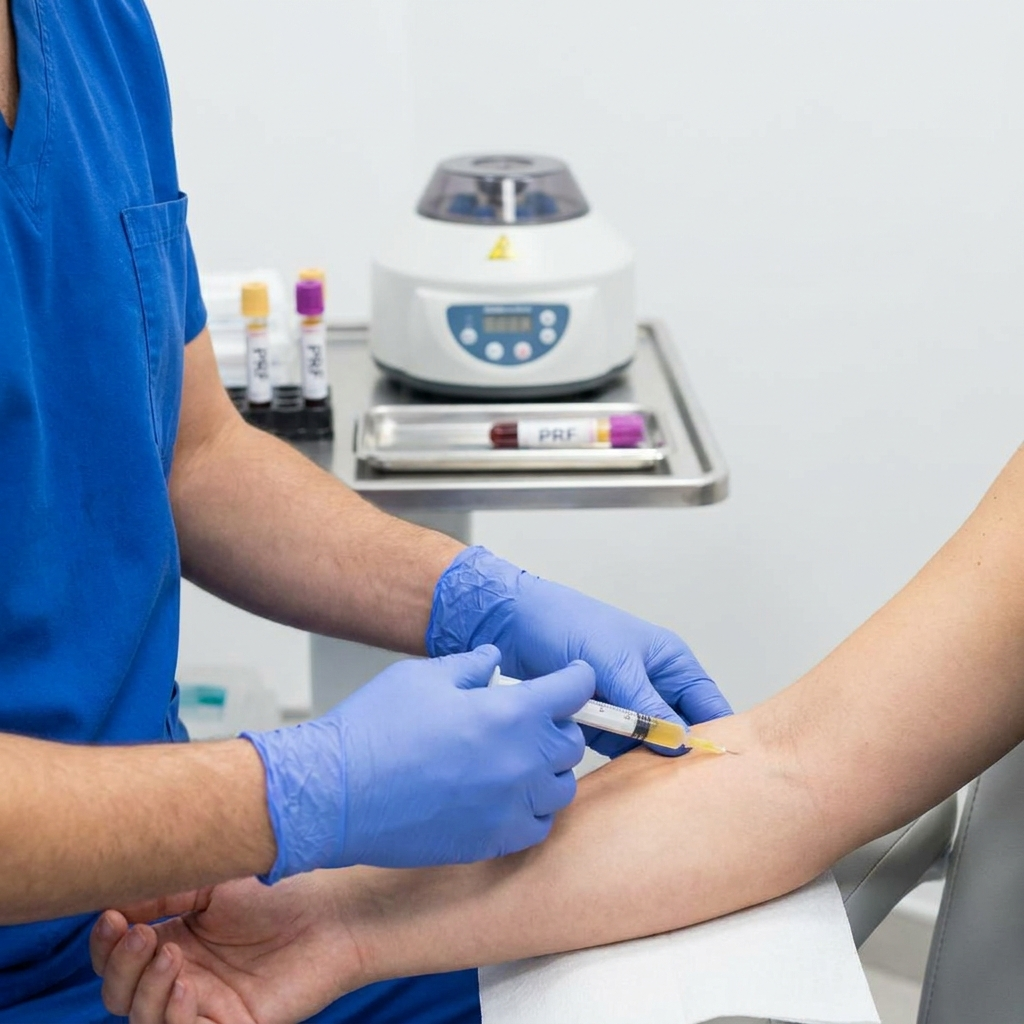
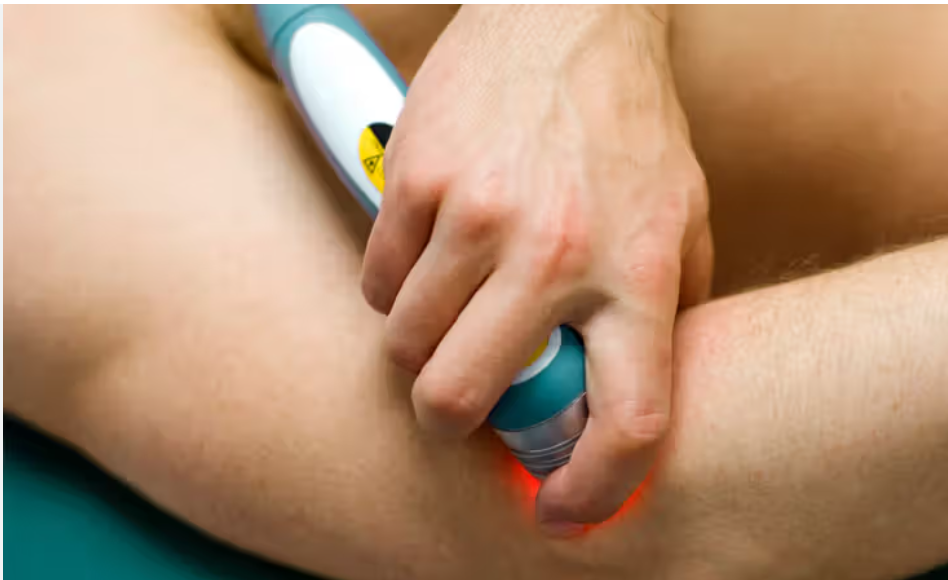
Because every jaw is different, treatment is tailored to what is actually driving your discomfort. Options at our Main Line office include:
Many patients do best with a combination of these therapies. Dr. Jacobs reviews your exam and goals before recommending a plan, so you understand each step before you begin. You can book a consultation online whenever you are ready.
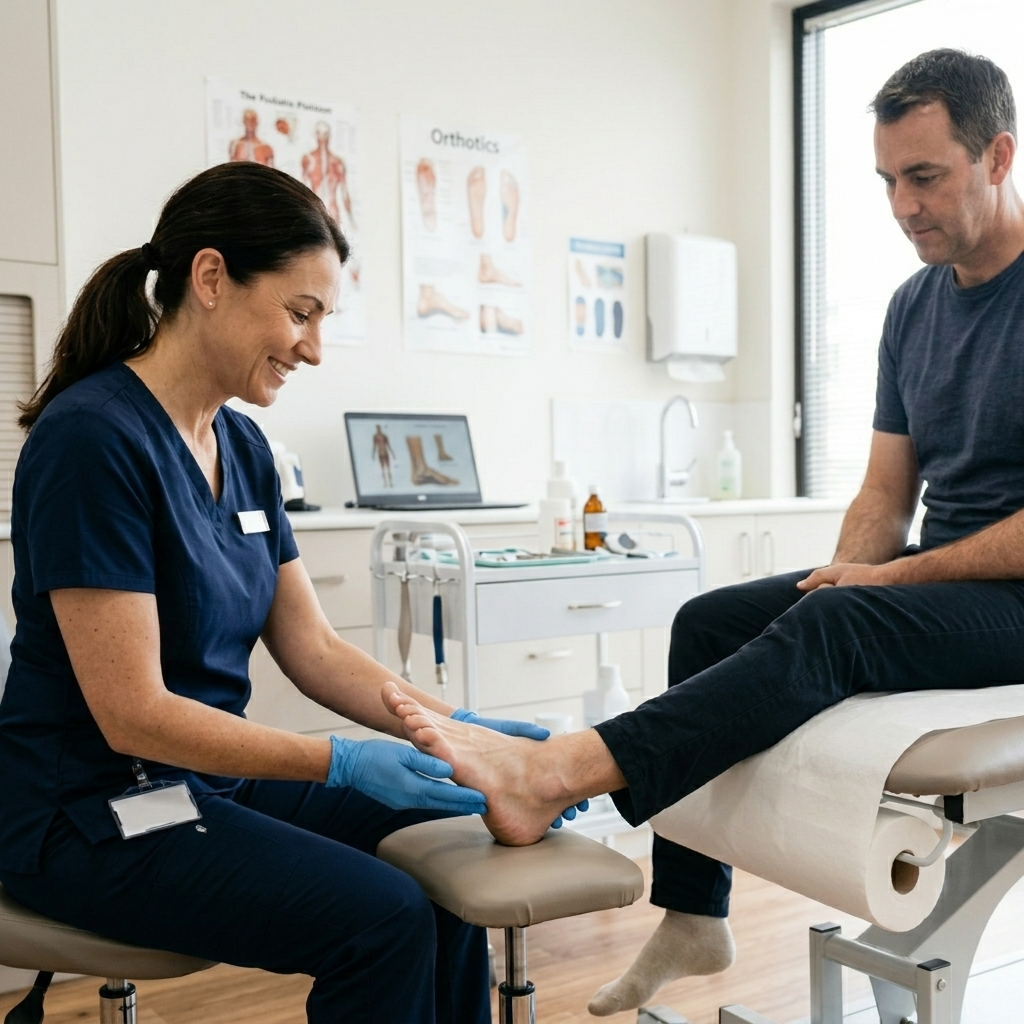
Your first appointment at Pain and Sleep is built around listening and a careful exam. Here is how it usually works:
Most jaw pain treatments at our Bryn Mawr office are noninvasive and involve little to no downtime, so you can return to your normal routine quickly.
While you wait for your appointment, a few habits can help calm a sore jaw:
These steps can take the edge off, but they do not address the underlying cause. If your jaw pain keeps returning, a professional evaluation is the better long term answer.
Jaw pain is common, but living with it does not have to be. Whether your pain comes from TMJ disorder, clenching and grinding, or another source, understanding the cause is the first step toward feeling like yourself again. At Pain and Sleep in Bryn Mawr, Dr. Carly Jacobs, DMD offers thoughtful, nonsurgical care designed to relieve jaw pain at its source and help you eat, sleep, and speak in comfort.
Ready to stop guessing about your jaw pain? Book your visit online or call Pain and Sleep at (610) 973-6595. Our office is located at 1149 Lancaster Ave, Suite 5, Bryn Mawr, PA 19010, serving patients throughout the Main Line.