Read More


Ask most people what they know about treating jaw pain and they will say the same thing: you get a mouthguard. That answer is not wrong, exactly. It is just incomplete in a way that leaves a lot of people frustrated. Clenching and grinding do not only happen at 3 a.m. They happen during the commute, in the difficult meeting, and over the laptop at 4 p.m. And a device designed for sleep cannot do much about any of that.
That is why we use two different appliances at the Pain and Sleep Therapy Center in Bryn Mawr. A nighttime orthotic and a daytime orthotic are built differently, worn differently, and solve different halves of the same problem. Which one you need, or whether you need both, depends on when your jaw is actually working overtime. Here is how Dr. Carly M. Jacobs decides.
This distinction is worth getting straight, because it changes what you should expect from treatment.
A store-bought or standard night guard is a barrier. It puts a layer of plastic between your upper and lower teeth so that grinding wears down the appliance instead of your enamel. That is genuinely useful for protecting teeth, and for some people it is enough. But a barrier does nothing to change where your jaw sits or how hard your muscles pull. Some patients even find a bulky, poorly fitted guard gives their muscles something new to clamp onto.
An orthotic is a therapeutic device. It is made from precise digital impressions of your teeth and designed around your specific bite, jaw position, and symptoms, with the goal of stabilizing the bite, supporting healthier jaw alignment, and reducing the abnormal forces reaching your muscles and joints. It protects teeth as a side effect. Its real job is to address the mechanics driving your jaw pain in the first place.
Nighttime orthotics are worn during sleep, which is when many people generate their most destructive forces without any awareness of it. Depending on your needs, the appliance may be designed for the upper teeth, the lower teeth, or both.
While you sleep, it works to stabilize your bite and support proper jaw alignment, which reduces grinding and clenching forces, helps balance overactive jaw muscles, and takes stress off the joints. Because your body is not consciously managing anything at 3 a.m., an appliance that guides the jaw into a more supported position can accomplish a great deal over the course of a night.
A nighttime orthotic is usually the right starting point if:
A daytime orthotic is built for a different job entirely: functioning while you live your life. It is worn on the lower teeth so that it stays comfortable and unobtrusive during speaking, swallowing, and everyday activity, and it gently guides the jaw toward a more stable, balanced position throughout the day.
The point is not protection from grinding. It is interrupting the low-grade, all-day clenching that many patients do not even realize they are doing until someone asks. That constant background tension is often what keeps muscle pain simmering, and it is exactly what a nighttime appliance cannot reach, because by the time you put it in, the damage of the day is already done.
A daytime orthotic tends to help if:
The honest answer is that we do not decide from a description alone. The pattern of your symptoms across the day is the most useful clue, but it is one input among several. A thorough evaluation looks at how your jaw moves and where it deviates, which muscles are tender to palpation, whether the joints make noise, how your teeth are wearing, and what your bite is doing when the muscles are relaxed rather than braced.
Two patients with nearly identical complaints can need different appliances, because the mechanics underneath are different. That evaluation is the whole point, and it is why an orthotic ordered from a description or a mail-order impression kit so often disappoints.
Yes, and it is more common than people expect. If your muscles are overworked around the clock, protecting only half the day leaves the other half untreated. Patients with long-standing TMJ disorder, significant muscle pain, or high daytime stress loads frequently do best with a nighttime orthotic to manage sleep forces and a daytime orthotic to interrupt the waking clenching that keeps re-aggravating everything.
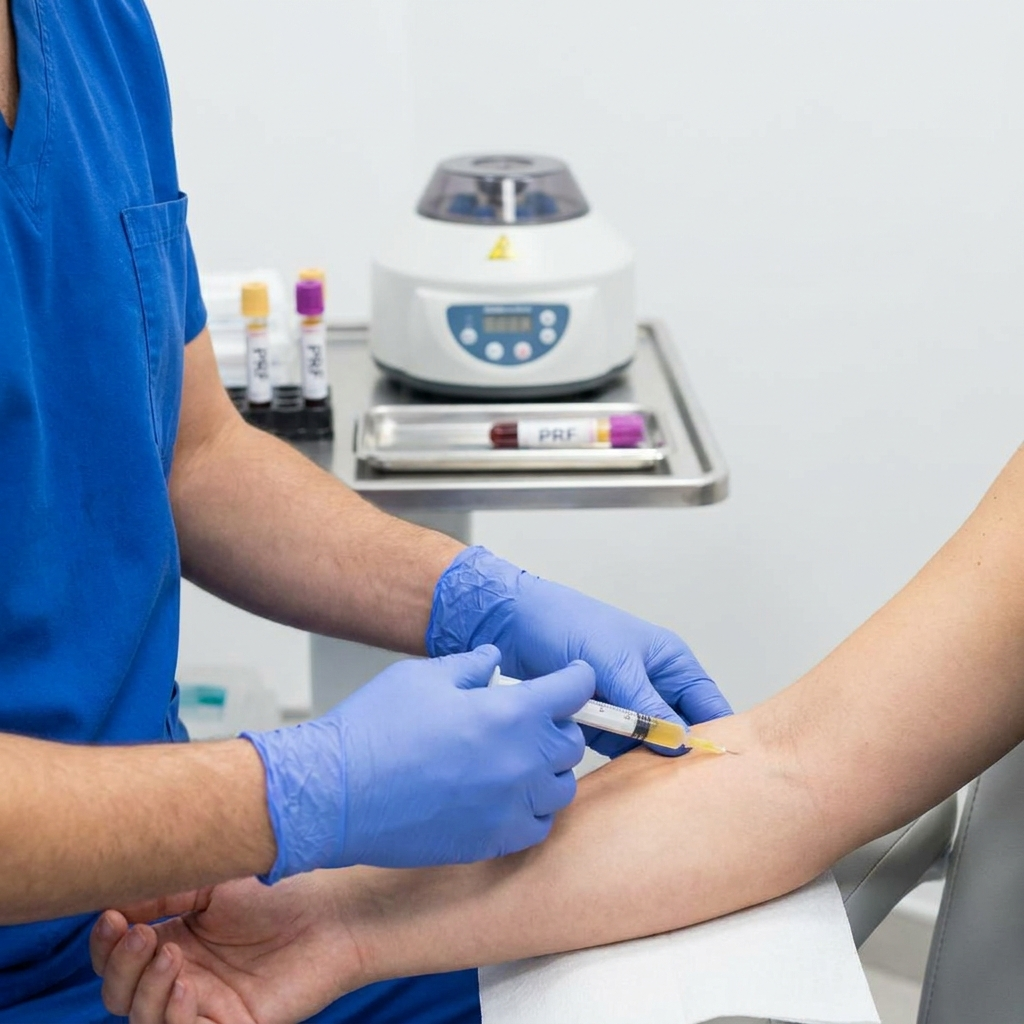
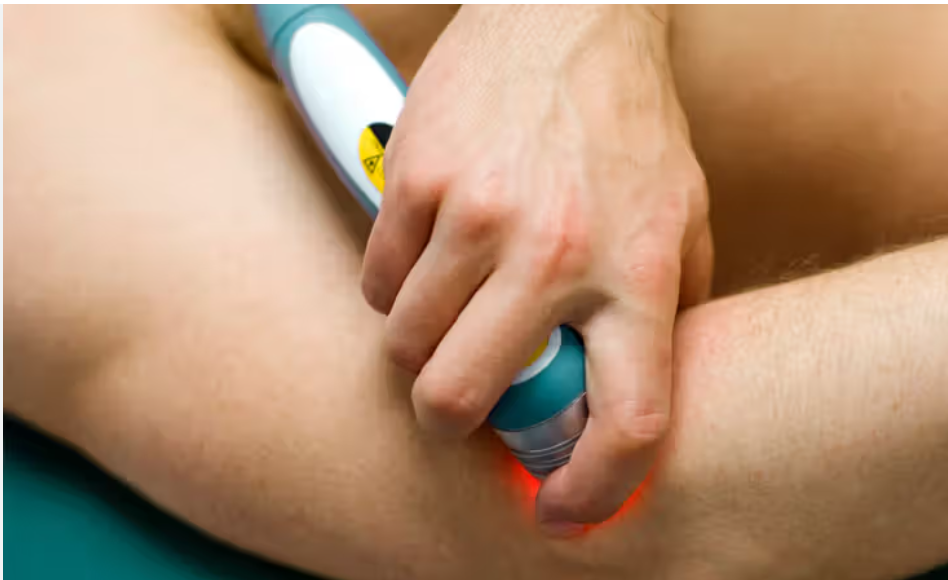
Orthotics also work alongside the rest of your plan rather than in place of it. Cold laser therapy can calm inflamed tissue while your appliance handles the mechanics, and injection therapy can release muscles that have been locked in overdrive for years. The appliance changes the forces; the supporting therapies help the tissue recover.
Before treatment starts, our team reviews insurance and payment options with you and can walk you through financing if that would help.
Both appliances last longest with simple daily habits: clean it every day as instructed, rinse it after wear, store it dry in its case rather than loose in a bag, and keep it away from heat, which can warp the fit. Bring it to every follow-up visit so we can check the fit and make small adjustments. And wear it as prescribed, because consistency is what retrains muscles. An appliance in a drawer cannot help a jaw.
If you have been protecting your teeth at night and still hurt, or if your pain has always been worst in the afternoon, the missing piece may not be a better mouthguard. It may be an appliance designed for the hours when your jaw is actually struggling.
Call (610) 973-6595 or book online to get evaluated, and ask about our free 30-minute virtual consultation. We will figure out when your jaw is working overtime, then build something that gives it a rest.
It is not designed for it. Nighttime appliances are built for a mouth at rest and often interfere with speaking and eating, and many cover the upper teeth in a way that is not practical while awake. A daytime orthotic is made to stay comfortable and functional through normal activity.
Orthotic therapy is designed to support a healthier, more stable jaw position, and it is monitored closely at follow-up visits for exactly this reason. Dr. Jacobs will discuss what to expect for your specific plan, including how long you are likely to wear the appliance and what happens after.
That depends on your diagnosis and how you respond. Follow-up care commonly continues for up to six months, and some patients keep wearing a nighttime appliance long term to protect the progress they have made.
They are solving different problems. A drugstore guard is a barrier that protects enamel. A custom orthotic is a therapeutic device built from your own impressions to change the forces on your muscles and joints. If your goal is less pain rather than only less tooth wear, the distinction matters.